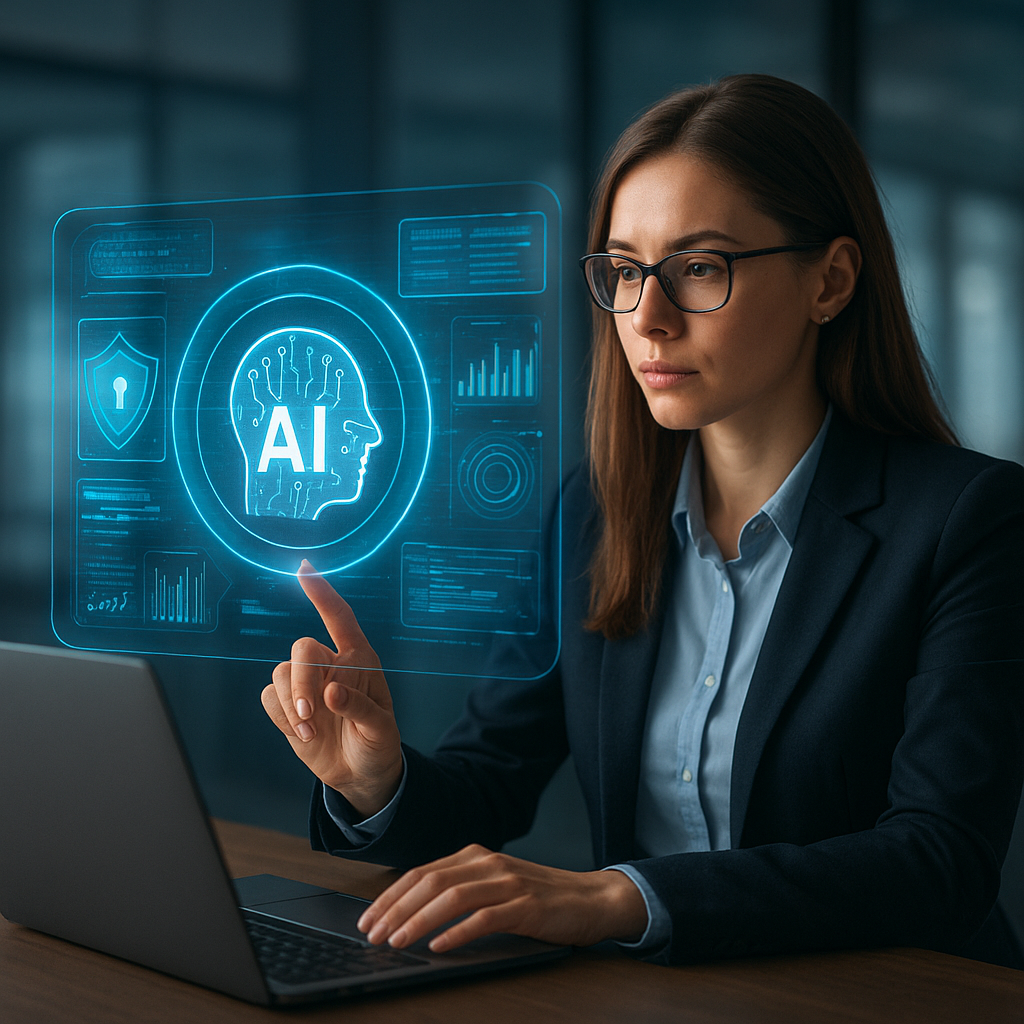
Advancements in artificial intelligence are revolutionizing how organizations defend against cyberattacks. By integrating adaptive algorithms with robust security frameworks, businesses can anticipate, detect, and mitigate digital threats more effectively than ever before.
Overview of AI-driven Cyber Defense
As enterprises expand their digital footprint, the complexity of the threat landscape grows exponentially. Traditional security tools often struggle to keep pace with sophisticated adversaries. AI-driven solutions leverage machine learning models to analyze vast volumes of data in search of anomalies and patterns that indicate malicious activity. These systems continuously evolve, learning from each interaction to refine their detection and response capabilities.
AI can transform security operations centers (SOCs) by automating routine tasks, enabling analysts to focus on high-impact investigations. The fusion of human expertise and algorithmic precision ensures faster triage of alerts and more decisive responses to incidents. With AI, organizations can achieve a proactive posture, engaging threats before they escalate into full-scale data breaches or service disruptions.
Key AI Technologies Shaping Business Security
- Predictive analytics: Forecast potential attack scenarios by examining historical data and emerging trends.
- Behavioral analysis: Profile user and device behavior to detect deviations that may signal insider threats or compromised accounts.
- Natural language processing: Automate the parsing of threat intelligence feeds, incident reports, and security advisories to extract critical insights.
- Automation: Streamline repetitive workflows such as malware scanning, log correlation, and vulnerability assessments.
- Security orchestration: Integrate disparate security tools into a unified platform for coordinated response actions.
- Endpoint protection: Deploy AI agents on workstations and servers to provide real-time defense against zero-day exploits.
- Threat intelligence: Aggregate and enrich threat data to improve context and enable more accurate risk scoring.
- Incident response: Utilize AI-driven runbooks that adapt dynamically based on evolving attack vectors.
Challenges and Ethical Considerations
While AI offers tremendous benefits, organizations must navigate several hurdles during adoption. Data privacy regulations such as GDPR and CCPA impose strict controls on how personal information is processed. Security teams need to ensure that their AI models comply with legal requirements and do not inadvertently expose sensitive data.
Adversaries are also using AI to craft more sophisticated attacks, including zero-day threats and polymorphic malware that can evade traditional signature-based defenses. Security teams must stay ahead of this arms race by continuously updating their models and sharing threat intelligence across industries.
Ethical use of AI in cybersecurity demands transparency in model decision-making. Black-box algorithms can generate false positives or negatives, undermining trust in the security infrastructure. Implementing explainable AI frameworks can help stakeholders understand how alerts are generated, fostering accountability and reducing operational friction.
Best Practices for Implementing AI in Cyber Defense
Strategy Checklist
- Define clear security objectives and success metrics before deploying AI solutions.
- Ensure high-quality, diverse datasets to train models and avoid bias.
- Integrate AI tools with existing security information and event management (SIEM) platforms.
- Establish continuous monitoring and validation processes for model performance.
- Provide regular training for security analysts to interpret AI-driven alerts effectively.
- Adopt a zero-trust architecture, leveraging AI for adaptive access controls.
- Collaborate with industry consortia to share anonymized threat data and insights.
- Invest in incident response drills that include AI-driven anomaly detection scenarios.
Looking Ahead: Future Innovations and Trends
Emerging areas such as federated learning promise to enable multiple organizations to collaboratively train AI models without exchanging raw data, preserving privacy while enhancing collective defenses. Advances in edge computing will allow real-time threat analysis directly on devices, reducing latency and improving resilience against network disruptions.
AI-powered deception technologies will become more prevalent, with automated deployment of honeypots and dynamic decoys that adapt to attacker behavior. By luring adversaries into controlled environments, security teams can gather invaluable intelligence on emerging tactics and techniques.
The integration of quantum computing with AI holds the potential to revolutionize encryption and threat detection capabilities. Quantum algorithms could accelerate pattern recognition and cryptographic analysis, though they also pose new challenges for developing quantum-resistant security protocols.
In the coming years, businesses that harness the full potential of AI-driven cyber defense will gain a decisive competitive edge. By building resilient, adaptive security frameworks, organizations can protect critical assets, maintain stakeholder trust, and navigate an ever-evolving digital battlefield with confidence.