How to Conduct Security Drills Effectively

Conducting security drills effectively requires meticulous preparation, clear objectives, and continuous refinement. A well-designed drill not only uncovers hidden vulnerabilities but also enhances organizational resilience. This article outlines the essential steps for planning, executing, and evaluating security exercises that bolster business continuity and safeguard valuable assets. Preparing for a Security Drill Thorough planning is the foundation of any successful drill. Organizations must define the scope, allocate resources, and engage key…

Read More

The Growing Threat of Insider Cybercrime

The Growing Threat of Insider Cybercrime explores how organizations must adapt to a shifting landscape where trusted individuals exploit their access to undermine corporate defenses. As digital transformation accelerates, businesses face increasing pressure to secure sensitive data, protect intellectual property, and maintain customer trust. Addressing the **insider** threat requires a blend of technology, policies, and human-centered strategies that together forge a resilient defense posture. Understanding the Insider Risk Insider cybercrime…

Read More

The Importance of Secure Communication Channels

Effective communication forms the backbone of modern enterprises, underpinning every decision from strategic planning to daily operations. Organizations that prioritize confidentiality, integrity, and availability in their interactions unlock higher productivity and build trust with clients and partners. Implementing robust, secure communication channels mitigates risks, fosters regulatory compliance, and enhances overall corporate reputation. Secure Communication Protocols and Their Impact Selecting the right protocols is a critical step toward establishing a fortified…

Read More

How to Handle a Data Breach: Step-by-Step Guide

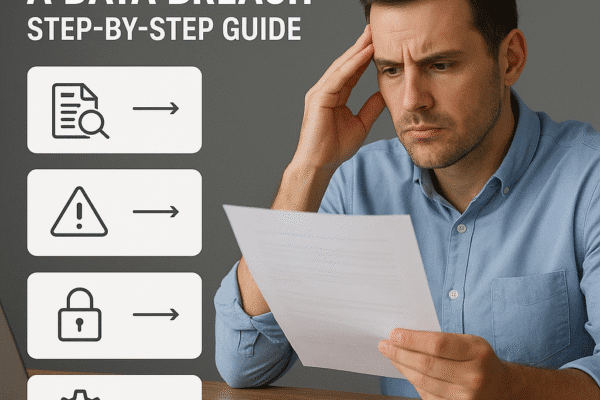
Handling a data breach effectively requires a structured, strategic approach that minimizes damage, preserves trust, and ensures future resilience. This guide outlines clear, actionable steps to help organizations navigate each phase of a security incident and emerge stronger. Assessment and Immediate Actions Identify and Contain The first priority is rapid containment of unauthorized access. Assemble your incident response team and follow these critical tasks: Isolate affected systems to prevent further…

Read More

The Connection Between Cybersecurity and Business Continuity

The Connection Between Cybersecurity and Business Continuity explores how robust protection measures directly influence an organization’s ability to operate without interruption. By analyzing risks, implementing strategic defenses, and fostering a culture of preparedness, companies safeguard critical assets and maintain operations during disruptive incidents. This article delves into the essential components of aligning security strategies with continuity objectives, offering insights into enhancing overall resilience. Understanding the Threat Landscape Organizations face an…

Read More

How to Develop a Company-Wide Safety Policy

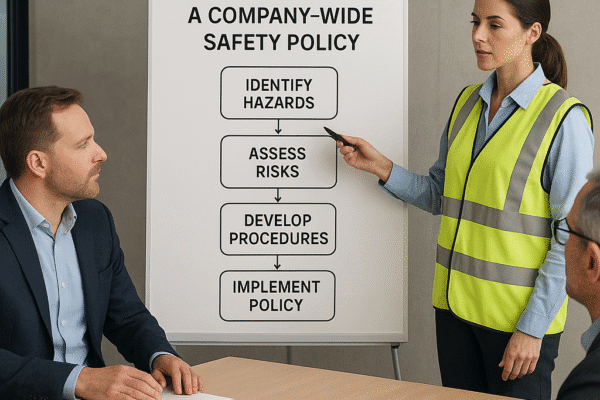
Establishing a robust company-wide safety policy is essential for safeguarding employees, assets, and reputation. A well-crafted safety framework not only minimizes the risk of accidents but also fosters a culture of responsibility and trust. This article explores key aspects of designing and implementing an effective safety policy that spans all levels of your organization. Understanding the Value of a Safety Policy Before drafting any formal policy, it’s crucial to recognize…

Read More

How to Create an Effective Emergency Response Plan

Implementing an Emergency Response Plan is critical for any organization aiming to safeguard its people, assets, and reputation. A well-crafted plan not only outlines roles and procedures but also builds resilience against unforeseen events. This guide walks you through essential steps to develop a robust framework capable of handling emergencies efficiently and maintaining continuity. Establishing a Solid Foundation Conducting a Thorough Risk Assessment An accurate risk assessment identifies potential threats…

Read More

How to Build a Strong Security Culture in the Workplace

Building a strong security culture within an organization requires more than just implementing technical controls. It demands a comprehensive approach that engages every member of the team, from executives to frontline staff. When employees genuinely understand their role in risk management and feel empowered to take proactive steps, the entire company becomes more resilient to threats. This guide explores practical strategies for cultivating a workplace environment where security is woven…

Read More
The role of social engineering in cyberattacks.

The role of social engineering in cyberattacks.

The role of social engineering in cyberattacks is a critical aspect that often goes unnoticed in discussions about cybersecurity. While technical vulnerabilities and malware are frequently highlighted, the human element remains one of the weakest links in the security chain. Social engineering exploits human psychology to manipulate individuals into divulging confidential information or performing actions that compromise security. This article delves into the various techniques employed in social engineering, the…

Read More
The importance of safety compliance in the construction industry.

The importance of safety compliance in the construction industry.

The importance of safety compliance in the construction industry cannot be overstated, as it plays a crucial role in protecting workers, ensuring project efficiency, and maintaining the integrity of the construction process. Safety compliance encompasses a wide range of regulations, standards, and practices designed to minimize risks and hazards on construction sites. This article will explore the significance of safety compliance, the challenges faced in its implementation, and the benefits…

Read More