The Future of AI in Cyber Defense for Businesses

Advancements in artificial intelligence are revolutionizing how organizations defend against cyberattacks. By integrating adaptive algorithms with robust security frameworks, businesses can anticipate, detect, and mitigate digital threats more effectively than ever before. Overview of AI-driven Cyber Defense As enterprises expand their digital footprint, the complexity of the threat landscape grows exponentially. Traditional security tools often struggle to keep pace with sophisticated adversaries. AI-driven solutions leverage machine learning models to analyze…
Read More

How to Protect Your Company from Supply Chain Attacks

Protecting an organization from hidden vulnerabilities requires a proactive approach to defend against complex supply chain attacks. By implementing a combination of strategic planning, robust processes, and advanced technologies, enterprises can effectively mitigate risks and ensure uninterrupted operations. Understanding Modern Supply Chain Risks Supply chain threats have evolved beyond traditional disruptions such as logistics delays or natural disasters. Today’s adversaries exploit software dependencies, third-party services, and even hardware components to…

Read More

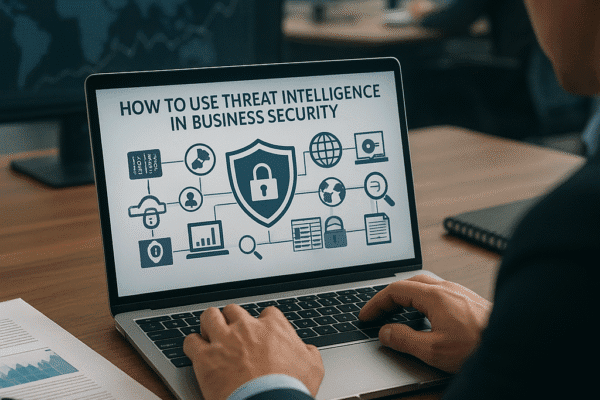
How to Use Threat Intelligence in Business Security

Effective security frameworks rely on comprehensive visibility into emerging risks and adversary behaviors. Organizations that harness advanced threat intelligence can anticipate attacks, reduce exposure to critical vulnerabilities, and boost overall operational resilience. This article explores practical steps for leveraging intelligence data, integrating insights into business security strategies, and deploying automated tools to strengthen defenses. Understanding the Foundations of Threat Intelligence Adopting an intelligence-driven approach begins with clarifying what constitutes threat…

Read More

The Importance of Endpoint Protection

The proliferation of interconnected devices has transformed the corporate landscape, making every workstation, mobile device, and IoT sensor a potential entry point for malicious actors. As businesses embrace digital transformation, the need for endpoint security becomes paramount. Organizations must go beyond basic antivirus solutions to protect against advanced persistent threats, zero-day exploits, and sophisticated social engineering campaigns. A proactive approach to securing endpoints not only safeguards sensitive data but also…

Read More

How to Respond to a Security Incident in Real Time

Responding to a security incident in real time demands a blend of preparedness, agility, and coordination. To safeguard business continuity and protect critical assets, organizations must cultivate robust frameworks that enable swift detection, decisive action, and seamless collaboration. This article explores key strategies for reacting to threats as they unfold, emphasizing best practices in incident management, threat intelligence, and operational resilience. Understanding Security Incident Dynamics Every security incident carries its…

Read More

The Importance of Secure Communication Channels

Effective communication forms the backbone of modern enterprises, underpinning every decision from strategic planning to daily operations. Organizations that prioritize confidentiality, integrity, and availability in their interactions unlock higher productivity and build trust with clients and partners. Implementing robust, secure communication channels mitigates risks, fosters regulatory compliance, and enhances overall corporate reputation. Secure Communication Protocols and Their Impact Selecting the right protocols is a critical step toward establishing a fortified…

Read More

How to Detect and Respond to Phishing Attempts

Detecting and countering phishing attempts is a critical aspect of maintaining robust business security. This article will guide you through the most common attack vectors, outline preventive measures, and describe an effective response framework. By enhancing employee awareness and deploying technical safeguards, organizations can significantly reduce the risk of data breaches and financial loss. Recognizing Phishing Techniques Phishing attacks have evolved beyond generic emails promising lottery winnings. Attackers now use…

Read More

Top Strategies to Prevent Data Breaches at Work

Preventing data breaches in the modern workplace demands a proactive, layered approach that addresses both technical risks and human vulnerabilities. Organizations must balance user convenience with robust protections to safeguard sensitive information. By integrating advanced technologies, developing clear policies, and fostering a culture of vigilance, businesses can significantly reduce the likelihood of costly and reputation-damaging incidents. Identifying Vulnerabilities in Your Infrastructure Conducting a comprehensive vulnerability assessment is the cornerstone of…

Read More
The role of artificial intelligence in detecting security threats.

The role of artificial intelligence in detecting security threats.

The role of artificial intelligence in detecting security threats has become increasingly significant in our interconnected world. As cyber threats evolve in complexity and frequency, traditional security measures often fall short. AI technologies are now at the forefront of enhancing security protocols, providing organizations with the tools necessary to identify and mitigate risks effectively. This article explores the various ways in which artificial intelligence is transforming the landscape of security…

Read More
The role of machine learning in enhancing cybersecurity.

The role of machine learning in enhancing cybersecurity.

The role of machine learning in enhancing cybersecurity is becoming increasingly significant as cyber threats evolve in complexity and frequency. With the rise of sophisticated attacks, traditional security measures often fall short, necessitating the integration of advanced technologies like machine learning. This article explores how machine learning is transforming the cybersecurity landscape, the challenges it addresses, and the future implications for organizations and individuals alike. Understanding Machine Learning in Cybersecurity…

Read More