How to Protect Financial Data from Cyber Threats

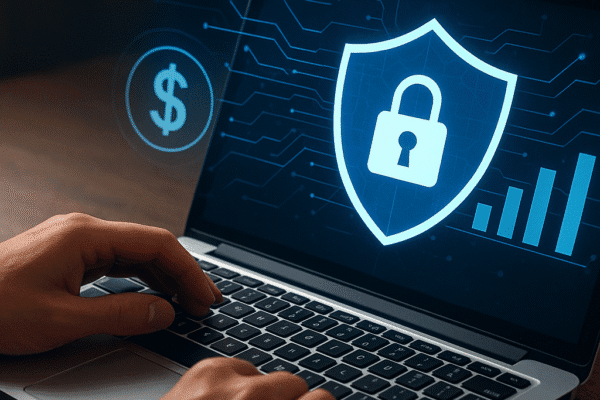
Maintaining the integrity and confidentiality of sensitive financial information is a critical priority for modern enterprises. Organizations must adopt a holistic approach to safeguard transaction records, customer data, and proprietary analytics from evolving digital threats. This article outlines effective strategies designed to protect financial data by combining proactive assessments, advanced technological solutions, and rigorous operational practices. Assessing Risks and Vulnerabilities Before deploying defenses, businesses need a clear understanding of their…

Read More

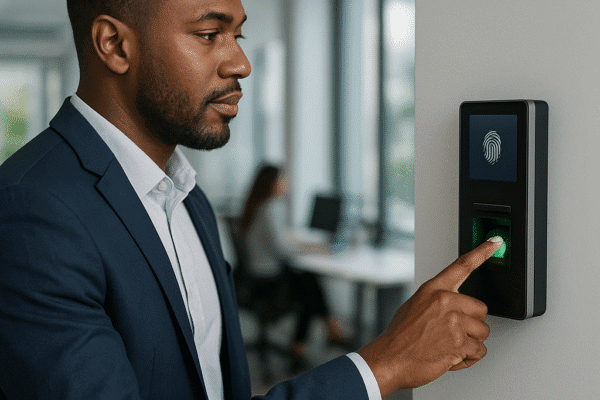
The Benefits of Biometric Authentication in the Workplace

Biometric authentication is revolutionizing the way organizations verify identity and secure sensitive areas. By leveraging unique physiological and behavioral traits, businesses can bolster defenses, simplify access controls, and maintain rigorous compliance standards. This article explores the multifaceted advantages of biometric systems in the workplace, outlines best practices for implementation, and highlights the strategic value they deliver to modern enterprises. Enhanced Security Through Unique Identifiers Traditional methods such as keycards and…

Read More

How to Reduce the Risk of Fire in the Workplace

Preventing fires in a business environment is a critical component of **security** management. A comprehensive strategy reduces potential damage, safeguards employees, and ensures **continuity** of operations. This article explores essential steps to identify hazards, implement controls, and train staff effectively. Understanding Workplace Fire Risks Identifying Common Hazards Effective risk reduction begins with recognizing potential ignition sources. Common hazards include: Electrical faults such as overloaded circuits and damaged wiring Accumulations of…

Read More

Why Regular Software Updates Are Crucial for Security

Regular software updates serve as the backbone of a robust cybersecurity strategy for modern businesses. Beyond simple bug fixes, these updates deliver crucial patches that address newly discovered vulnerabilities and strengthen systems against sophisticated attacks. By embedding updates into routine operational processes, organizations can safeguard sensitive data, protect intellectual property, and maintain customer trust. Enhancing defense against emerging threats Cybercriminals constantly evolve tactics, seeking weak points in code and system…

Read More

How to Prevent Tailgating in Secure Areas

Organizations today face a persistent challenge when unauthorized individuals gain entry to sensitive areas by following closely behind an authorized person—a method known as tailgating. Failing to address this risk can lead to data breaches, theft of intellectual property, and threats to employee safety. Robust measures combining physical design, cutting-edge technology, and a culture of security are essential to block unauthorized access. This article explores practical strategies for preventing tailgating…

Read More

How to Identify and Report Suspicious Activity at Work

Workplaces can face various challenges when it comes to maintaining a secure environment. Recognizing and responding to unexpected or unusual behaviors is crucial for preserving both physical and data protection. This article explores practical methods to spot and report potential threats, ensuring that every team member contributes to a culture of vigilance and security. Recognizing Unusual Behaviors and Potential Threats Signs of Suspicious Activities Repeated attempts to access restricted areas…

Read More

How to Secure Video Conferencing Tools

Securing online collaboration channels has become a mission-critical requirement for every organization. As remote work and distributed teams rely heavily on virtual meetings, protecting the integrity of these interactions is vital. Effective security for video conferencing platforms combines technical measures, best practices, and ongoing vigilance to guard against unauthorized access, data leaks, and malicious interference. Ensuring End-to-End Encryption in Video Conferences One of the cornerstones of any secure conferencing system…

Read More

How to Balance Convenience and Security in the Workplace

Striking the right balance between convenience and security in the workplace demands a strategic approach. Employees require seamless access to tools and data, while organizations must safeguard sensitive information and maintain compliance with regulations. This article explores key strategies to harmonize efficiency and protection, leveraging best practices from technology deployment to cultural transformation. Assessing the Trade-Offs: Convenience vs Security Every organization faces inherent tensions between user-friendly systems and stringent protective…

Read More

How to Manage Visitor Access in Corporate Buildings

Managing the flow of non-employee traffic into corporate premises requires a careful combination of policy, technology, and human judgment. Effective visitor access control not only enhances physical security but also safeguards assets, protects sensitive information, and upholds a company’s reputation. This article delves into key strategies for establishing a robust visitor management framework in corporate buildings. Understanding the Importance of Visitor Access Control Unauthorized or poorly tracked visitors can introduce…

Read More

The Growing Threat of Insider Cybercrime

The Growing Threat of Insider Cybercrime explores how organizations must adapt to a shifting landscape where trusted individuals exploit their access to undermine corporate defenses. As digital transformation accelerates, businesses face increasing pressure to secure sensitive data, protect intellectual property, and maintain customer trust. Addressing the **insider** threat requires a blend of technology, policies, and human-centered strategies that together forge a resilient defense posture. Understanding the Insider Risk Insider cybercrime…

Read More