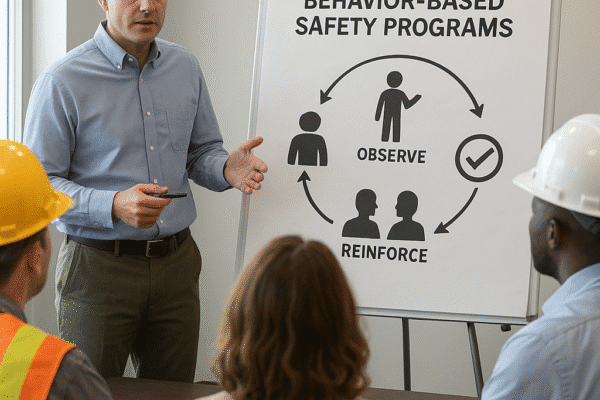
How to Implement Behavior-Based Safety Programs

Implementing a robust behavior-based safety program can transform an organization’s approach to risk management, employee well-being, and operational resilience. By focusing on observable actions and underlying motivations, companies can foster a proactive environment where every team member contributes to maintaining a secure workplace. This article explores foundational concepts, strategic design, practical rollout, and continuous enhancement of an effective behavior-based safety initiative. Foundations of Behavior-Based Safety Behavior-based safety (BBS) shifts the…

Read More

How to Reduce the Risk of Fire in the Workplace

Preventing fires in a business environment is a critical component of **security** management. A comprehensive strategy reduces potential damage, safeguards employees, and ensures **continuity** of operations. This article explores essential steps to identify hazards, implement controls, and train staff effectively. Understanding Workplace Fire Risks Identifying Common Hazards Effective risk reduction begins with recognizing potential ignition sources. Common hazards include: Electrical faults such as overloaded circuits and damaged wiring Accumulations of…

Read More

How to Prevent Workplace Accidents Through Training

A strategic approach to preventing workplace mishaps begins with well-structured employee education and a clear focus on ongoing improvement. By integrating targeted training initiatives with robust policies, businesses can significantly reduce incidents and foster a safer environment. This article explores essential steps to equip teams with the skills, knowledge, and mindset needed to identify hazards and mitigate risks effectively. Designing a Robust Training Curriculum Identifying Core Learning Objectives Before rolling…

Read More