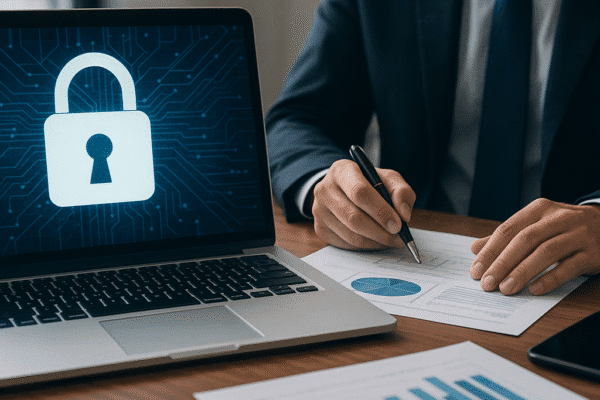
The Role of Blockchain in Enhancing Business Security

Adopting distributed ledger technologies has become a critical component for organizations seeking to fortify their defenses against cyber threats and internal vulnerabilities. By leveraging the blockchain architecture, companies can achieve unprecedented levels of transparency, traceability, and resilience. This exploration delves into practical applications, architectural considerations, and emerging trends that collectively demonstrate how blockchain transforms traditional approaches to security in business environments. Enhancing Data Integrity through Distributed Ledger Technology At the…

Read More

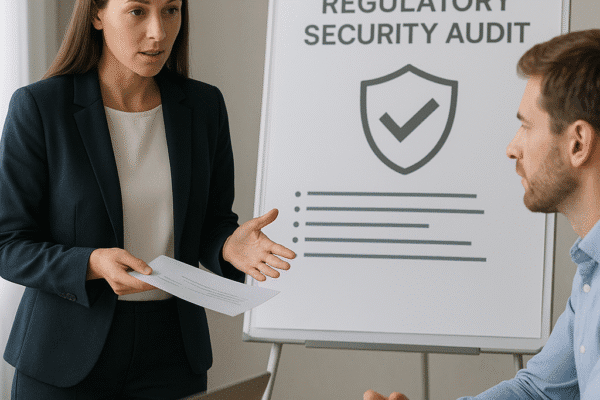
How to Prepare Your Company for Regulatory Security Audits

Preparing your organization for regulatory security audits requires a structured approach that balances **compliance** standards with practical business operations. A successful audit not only demonstrates your commitment to protecting sensitive data but also builds trust with clients, partners, and regulators. This guide outlines a step-by-step plan to ensure your company is fully prepared, covering everything from initial gap assessments to final audit day logistics. Conduct a Comprehensive Risk Assessment A…

Read More

How to Conduct an Internal Security Investigation

A robust internal security investigation process is essential for safeguarding corporate assets and preserving stakeholder trust. Effective inquiries into suspected misconduct or vulnerabilities hinge on clear objectives, systematic evidence collection, and thorough analysis. This guide outlines a structured approach to detecting, examining, and resolving internal security incidents, ensuring your organization maintains the highest standards of integrity and resilience. Planning the Investigation Defining Objectives and Scope Before initiating any investigative actions,…

Read More

How to Protect Against Distributed Denial of Service Attacks

Businesses increasingly face disruptions from malicious online activities. Among these, distributed denial of service (DDoS) attacks rank among the most damaging. This article explores key considerations for safeguarding critical systems and maintaining uninterrupted service. Understanding DDoS Attacks and Business Impact A DDoS attack involves overwhelming a target server, network, or application with excessive traffic from multiple sources. Attackers often harness botnets—networks of compromised devices—to generate massive request volumes. The goal…

Read More

How to Handle a Data Breach: Step-by-Step Guide

Handling a data breach effectively requires a structured, strategic approach that minimizes damage, preserves trust, and ensures future resilience. This guide outlines clear, actionable steps to help organizations navigate each phase of a security incident and emerge stronger. Assessment and Immediate Actions Identify and Contain The first priority is rapid containment of unauthorized access. Assemble your incident response team and follow these critical tasks: Isolate affected systems to prevent further…

Read More

The Connection Between Cybersecurity and Business Continuity

The Connection Between Cybersecurity and Business Continuity explores how robust protection measures directly influence an organization’s ability to operate without interruption. By analyzing risks, implementing strategic defenses, and fostering a culture of preparedness, companies safeguard critical assets and maintain operations during disruptive incidents. This article delves into the essential components of aligning security strategies with continuity objectives, offering insights into enhancing overall resilience. Understanding the Threat Landscape Organizations face an…

Read More

How to Create an Effective Emergency Response Plan

Implementing an Emergency Response Plan is critical for any organization aiming to safeguard its people, assets, and reputation. A well-crafted plan not only outlines roles and procedures but also builds resilience against unforeseen events. This guide walks you through essential steps to develop a robust framework capable of handling emergencies efficiently and maintaining continuity. Establishing a Solid Foundation Conducting a Thorough Risk Assessment An accurate risk assessment identifies potential threats…

Read More
The importance of disaster recovery plans for businesses.

The importance of disaster recovery plans for businesses.

Disaster recovery plans are essential for businesses to ensure continuity and resilience in the face of unexpected events. These plans serve as a roadmap for organizations to follow when disaster strikes, whether it be a natural calamity, cyberattack, or any other disruptive incident. The importance of having a well-structured disaster recovery plan cannot be overstated, as it not only protects vital data and resources but also safeguards the reputation and…

Read More
How to secure your home against natural disasters.

How to secure your home against natural disasters.

Securing your home against natural disasters is a crucial aspect of homeownership that often gets overlooked. With the increasing frequency and intensity of natural disasters such as hurricanes, floods, earthquakes, and wildfires, it is essential to take proactive measures to protect your property and loved ones. This article will explore various strategies and techniques to enhance your home’s resilience against these unpredictable events, ensuring safety and peace of mind. Understanding…

Read More