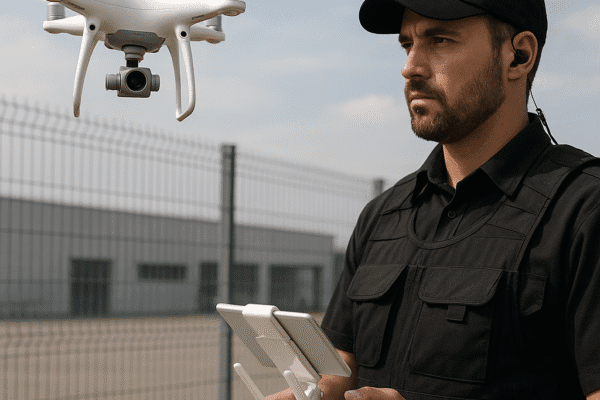
How to Use Drones for Security and Surveillance Safely

Integrating unmanned aerial vehicles into a corporate security framework can revolutionize perimeter monitoring and asset protection. By embracing advanced drones equipped with high-resolution cameras and sensors, organizations can enhance situational awareness and respond swiftly to potential threats. This article explores essential strategies for employing aerial systems safely, with emphasis on regulatory adherence, operational protocols, and data security within a business context. Regulatory and Legal Considerations Before deploying any aerial platform,…

Read More

How to Securely Store and Transport Sensitive Materials

Ensuring the secure storage and transportation of sensitive materials is a critical component of modern business security. Organizations handling confidential data, proprietary documents, or valuable assets must prioritize robust procedures to protect their interests. By combining strategic planning, advanced technologies, and rigorous protocols, companies can minimize risks and uphold the highest standards of confidentiality and integrity. Assessing Risk and Operational Requirements Before selecting storage or transportation methods, businesses must conduct…

Read More

How to Protect Mobile Devices Used for Work

Protecting mobile devices in a business environment requires a comprehensive approach that addresses configuration, data security, and continuous oversight. Mobile endpoints often carry sensitive corporate data, making them prime targets for cyberattacks, unauthorized access, and data leakage. Implementing robust measures can significantly reduce risks related to device loss, unpatched software, or malicious applications. The following sections outline essential strategies for establishing a secure mobile ecosystem. Secure Device Setup Device Configuration…

Read More

How to Keep Data Secure During Mergers and Acquisitions

Mergers and acquisitions (M&A) represent pivotal moments for any organization, blending operations, cultures, and data repositories into a single entity with high strategic value. However, combining disparate systems and information assets also elevates the stakes for security teams tasked with preserving proprietary and sensitive data. Effective preparation and execution of a data security strategy can mean the difference between a seamless integration and a costly breach that undermines stakeholder trust….

Read More

How to Prevent Identity Theft in a Corporate Setting

Protecting corporate data begins with a strategic combination of technology, people and processes. Effective identity theft prevention safeguards sensitive information, enhances customer trust and upholds regulatory compliance. The following chapters present actionable steps and best practices to secure your organization against identity-based threats. Establishing Robust Access Controls Preventing unauthorized access is fundamental to any cybersecurity strategy. By defining and enforcing stringent access policies, organizations can significantly reduce the attack surface…

Read More

How to Protect Company Assets During Business Travel

Business travel presents a unique set of challenges for safeguarding corporate assets. When employees carry sensitive data, high-value equipment or proprietary information abroad, even minor oversights can lead to significant losses. By implementing robust measures and reinforcing a culture of vigilance, organizations can reduce exposure to external threats, ensure compliance with internal guidelines, and maintain uninterrupted operations. Planning and Preparation for Secure Travel Every successful security program begins with thorough…

Read More