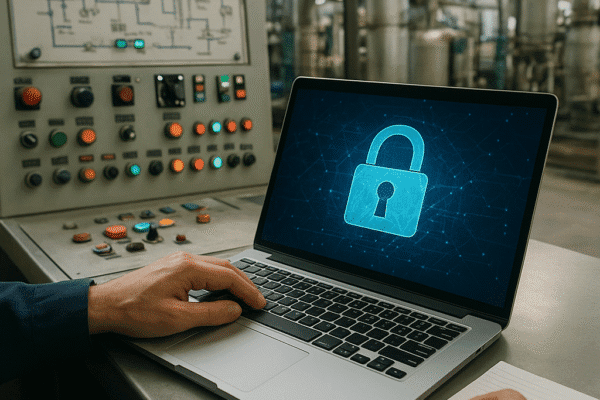
How to Secure Industrial Control Systems (ICS)

Industrial Control Systems (ICS) form the backbone of critical infrastructure across power grids, manufacturing plants, water treatment facilities, and transportation networks. Securing these systems against cyber threats demands a comprehensive approach that spans architecture analysis, ongoing monitoring, and continuous improvement. This article explores key strategies and best practices to bolster the resilience of ICS environments in the realm of business security. Understanding Industrial Control Systems Architecture An effective security strategy…

Read More

The Impact of Security Breaches on Brand Reputation

The digital transformation of businesses has introduced unparalleled efficiency along with a heightened exposure to cyber threats. A single breach can trigger a chain reaction, undermining consumer confidence and shaking investor faith. This article delves into the multifaceted impact of security breaches on brand reputation, offering a detailed exploration of immediate consequences, long-term effects, and proactive strategies to safeguard corporate standing. Exploring the Immediate Consequences of Security Breaches When a…

Read More

How to Prevent Phishing in Corporate Emails

In many organizations, the email inbox remains the frontline for both collaboration and attack. With every employee relying on electronic messages to exchange sensitive data, the risk of malicious actors exploiting this channel has never been higher. This article explores practical strategies to secure corporate emails, minimize exposure to social engineering exploits, and reinforce overall business resilience against evolving cyber threats. Understanding Common Threats in Corporate Email Communications Before implementing…

Read More

The Importance of Network Segmentation in Cybersecurity

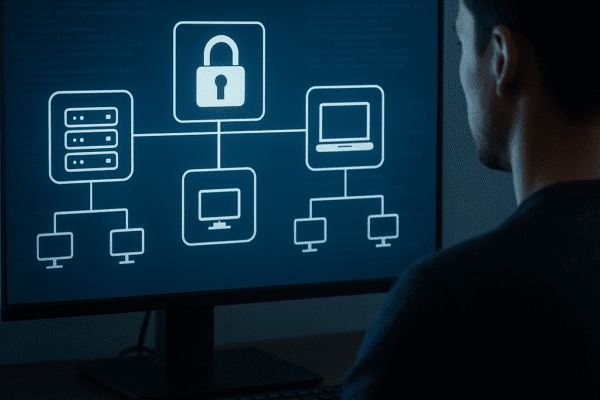
Effective network segmentation stands as a critical pillar in modern business security strategies, delivering granular controls that can greatly reduce the impact of cyber threats. By dividing a corporate network into distinct zones and enforcing strict access policies, organizations can limit the lateral movement of malicious actors, improve compliance posture, and safeguard mission-critical assets. Fundamentals of Network Segmentation At its core, network segmentation involves partitioning a network into logical or…

Read More

How to Educate Employees About Online Privacy

Educating employees about online privacy is a crucial component of any robust business security strategy. When team members understand the importance of safeguarding sensitive information, organizations can reduce vulnerabilities and foster a culture of digital responsibility. This article explores practical approaches to elevate employee knowledge and behavior around online privacy, ensuring that your company remains resilient in the face of evolving cyber threats. Understanding the Fundamentals of Online Privacy Before…

Read More

The Importance of Continuous Security Monitoring

In the evolving landscape of enterprise operations, adopting a continuous approach to security has become a critical business imperative. By integrating robust monitoring practices throughout an organization’s digital and physical infrastructures, enterprises can safeguard assets, maintain regulatory compliance, and fortify their overall resilience against sophisticated cyber threats and operational disruptions. Understanding the Value of Real-Time Monitoring Enterprises today face a rapidly changing threat environment. Attackers employ advanced tactics, techniques, and…

Read More

How to Protect Financial Data from Cyber Threats

Maintaining the integrity and confidentiality of sensitive financial information is a critical priority for modern enterprises. Organizations must adopt a holistic approach to safeguard transaction records, customer data, and proprietary analytics from evolving digital threats. This article outlines effective strategies designed to protect financial data by combining proactive assessments, advanced technological solutions, and rigorous operational practices. Assessing Risks and Vulnerabilities Before deploying defenses, businesses need a clear understanding of their…

Read More

How to Secure Remote Work Environments

Securing remote work environments requires a holistic approach that addresses network vulnerabilities, device protections, and human factors. Organizations must adopt robust strategies to defend against evolving cyber threats while ensuring seamless productivity. This article explores critical measures for safeguarding distributed teams and sensitive business assets. Network Access Hardening Establishing a fortified network perimeter is fundamental for any remote workforce. Attackers frequently target unsecured connections to infiltrate corporate systems. By implementing…

Read More

Why Employee Training Is the Key to Cybersecurity

Cyber threats continue to evolve at an unprecedented pace, making employee training a crucial element in any organization’s defense strategy. While advanced firewalls and intrusion detection tools are essential, they can only do so much without a well-prepared workforce. By investing in comprehensive training programs, businesses can transform every team member into an active participant in safeguarding corporate assets and sensitive data. The Human Element in Cybersecurity Most security breaches…

Read More
How to protect your personal devices while traveling.

How to protect your personal devices while traveling.

Traveling can be an exhilarating experience, but it also comes with its own set of risks, especially when it comes to protecting your personal devices. In an age where smartphones, laptops, and tablets are integral to our daily lives, ensuring their security while on the go is paramount. This article will explore various strategies and best practices to safeguard your devices from theft, loss, and cyber threats during your travels….

Read More