How to Protect Company Devices from Malware

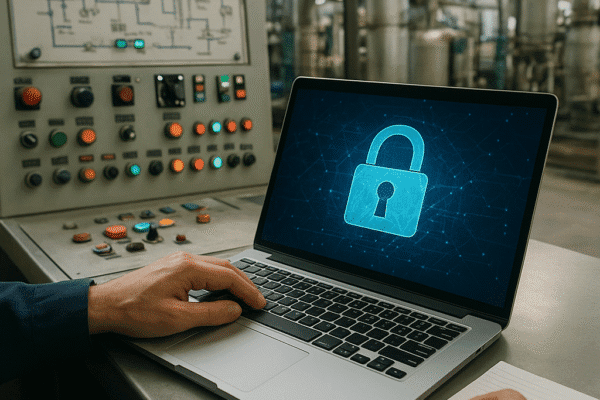
Protecting company devices from evolving digital threats requires a proactive and layered approach. An organization’s productivity, reputation, and financial stability hinge on robust defenses against malicious software. By understanding attack vectors, implementing rigorous safeguards, and preparing swift recovery protocols, businesses can significantly mitigate risks and ensure operational continuity. Identifying Emerging Malware Threats and Vulnerabilities Cybercriminals continuously refine their tactics, exploiting both technical weaknesses and human error. Effective protection begins with…

Read More

How to Handle a Data Breach: Step-by-Step Guide

Handling a data breach effectively requires a structured, strategic approach that minimizes damage, preserves trust, and ensures future resilience. This guide outlines clear, actionable steps to help organizations navigate each phase of a security incident and emerge stronger. Assessment and Immediate Actions Identify and Contain The first priority is rapid containment of unauthorized access. Assemble your incident response team and follow these critical tasks: Isolate affected systems to prevent further…

Read More

How to Build a Security-First Company Culture

Building a robust, security-first culture requires far more than purchasing the latest tools. It demands a holistic approach that weaves protection into every business process, decision, and relationship. Organizations that succeed invest in leadership, clear policies, engaging training programs, and continuous monitoring. This article explores actionable strategies to foster a workplace where every employee embraces security as a core value. Leadership Commitment and Organizational Alignment A sustainable security culture begins…

Read More

The Connection Between Cybersecurity and Business Continuity

The Connection Between Cybersecurity and Business Continuity explores how robust protection measures directly influence an organization’s ability to operate without interruption. By analyzing risks, implementing strategic defenses, and fostering a culture of preparedness, companies safeguard critical assets and maintain operations during disruptive incidents. This article delves into the essential components of aligning security strategies with continuity objectives, offering insights into enhancing overall resilience. Understanding the Threat Landscape Organizations face an…

Read More

How to Prevent Workplace Accidents Through Training

A strategic approach to preventing workplace mishaps begins with well-structured employee education and a clear focus on ongoing improvement. By integrating targeted training initiatives with robust policies, businesses can significantly reduce incidents and foster a safer environment. This article explores essential steps to equip teams with the skills, knowledge, and mindset needed to identify hazards and mitigate risks effectively. Designing a Robust Training Curriculum Identifying Core Learning Objectives Before rolling…

Read More

The Role of Leadership in Corporate Security

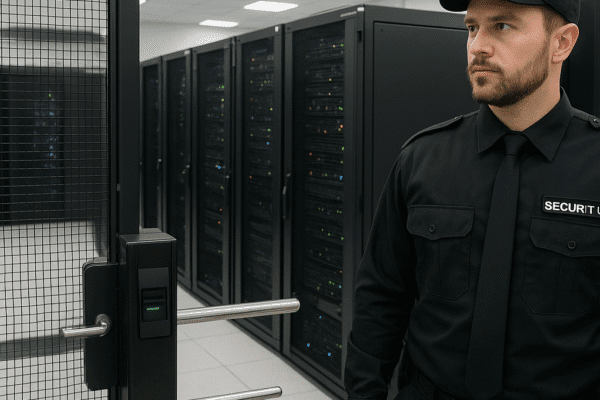
Effective corporate security transcends mere technical solutions and policies; it hinges on the quality of leadership guiding the organization. Strong leadership sets the tone for risk awareness, drives strategic decisions, and ensures that security priorities align with business objectives. By embedding security considerations into every level of the corporate structure, leaders forge a resilient organization capable of withstanding evolving threats. This article explores key dimensions in which executive vision, culture…

Read More

How to Create an Effective Emergency Response Plan

Implementing an Emergency Response Plan is critical for any organization aiming to safeguard its people, assets, and reputation. A well-crafted plan not only outlines roles and procedures but also builds resilience against unforeseen events. This guide walks you through essential steps to develop a robust framework capable of handling emergencies efficiently and maintaining continuity. Establishing a Solid Foundation Conducting a Thorough Risk Assessment An accurate risk assessment identifies potential threats…

Read More

How to Build a Strong Security Culture in the Workplace

Building a strong security culture within an organization requires more than just implementing technical controls. It demands a comprehensive approach that engages every member of the team, from executives to frontline staff. When employees genuinely understand their role in risk management and feel empowered to take proactive steps, the entire company becomes more resilient to threats. This guide explores practical strategies for cultivating a workplace environment where security is woven…

Read More