How to Monitor and Control Physical Access Points

Effective management of physical entrances requires a comprehensive strategy that balances technology, process and human factors. This article explores methods to identify, secure and oversee critical access points in a business environment. By combining advanced controls with ongoing monitoring, organizations can significantly reduce vulnerabilities and maintain a higher level of overall security. 1. Mapping and Classifying Entry Points Before implementing any controls, it is essential to conduct a thorough site…

Read More

How to Conduct Security Drills Effectively

Conducting security drills effectively requires meticulous preparation, clear objectives, and continuous refinement. A well-designed drill not only uncovers hidden vulnerabilities but also enhances organizational resilience. This article outlines the essential steps for planning, executing, and evaluating security exercises that bolster business continuity and safeguard valuable assets. Preparing for a Security Drill Thorough planning is the foundation of any successful drill. Organizations must define the scope, allocate resources, and engage key…

Read More
Dlaczego kibice kochają derby bardziej niż finały?

Dlaczego kibice kochają derby bardziej niż finały?

Derby mają w sobie coś, czego nie da się zmierzyć trofeami ani statystykami. Choć finały przyciągają uwagę całego świata, to właśnie lokalne starcia o prymat w mieście czy regionie sprawiają, że kibice żyją piłką tygodniami. To w derbach sąsiedzi stają po przeciwnych stronach barykady, rodzinne spotkania zamieniają się w dyskusje o składzie, a w pracy wszyscy odliczają dni do meczu. Emocje zaczynają się już na ulicach, w barach, w szkołach….

Read More

How to Prevent Workplace Violence with Proper Policies

Addressing workplace violence requires a multifaceted approach centered on robust policies that foster a safe and respectful environment. Organizations can proactively diminish risk factors and empower employees through clear guidelines, targeted training, and consistent enforcement. This article explores strategies to prevent incidents, guide leadership, and maintain a culture of accountability. Understanding Workplace Violence Workplace violence encompasses any act or threat of physical violence, harassment, intimidation, or other disruptive behavior that…

Read More

The Growing Threat of Insider Cybercrime

The Growing Threat of Insider Cybercrime explores how organizations must adapt to a shifting landscape where trusted individuals exploit their access to undermine corporate defenses. As digital transformation accelerates, businesses face increasing pressure to secure sensitive data, protect intellectual property, and maintain customer trust. Addressing the **insider** threat requires a blend of technology, policies, and human-centered strategies that together forge a resilient defense posture. Understanding the Insider Risk Insider cybercrime…

Read More

How to Secure Company Vehicles and Logistics

Securing company vehicles and managing logistics effectively are critical components of a comprehensive business security strategy. Organizations must safeguard assets in transit, protect sensitive cargo, and maintain the integrity of supply chains. By adopting a multi-layered approach that addresses physical measures, advanced technology, personnel training, and policy development, businesses can significantly reduce risks associated with theft, tampering, and operational disruptions. Assessment of Risks and Vulnerabilities Before implementing any security solution,…

Read More

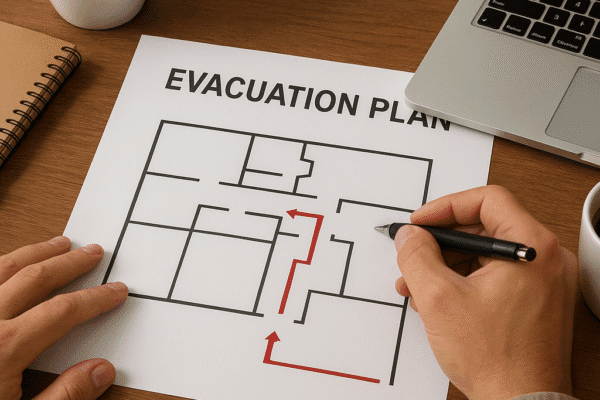
How to Create an Evacuation Plan for Employees

Ensuring a structured response to emergencies is a cornerstone of any robust safety program. A well-crafted evacuation plan not only protects lives but also safeguards organizational assets and reputation. Crafting such a plan involves detailed analysis, clear communication, comprehensive training, and continuous evaluation. The following guide outlines practical steps to develop, implement, and maintain an effective evacuation strategy for employees. Assessing Risks and Identifying Hazards An evacuation plan must begin…

Read More

How to Evaluate Your Company’s Safety Procedures

Evaluating your company’s safety procedures is a critical step in maintaining a secure work environment and minimizing potential hazards. By understanding strengths and weaknesses in existing processes, businesses can protect employees, reduce liability, and foster a more productive culture. This guide outlines key strategies for assessing and enhancing your organization’s security protocols. Establishing Clear Safety Objectives Before diving into assessments, it’s essential to set well-defined goals. Clear objectives provide a…

Read More

The Role of Security Guards in Modern Companies

Effective physical security forms the backbone of any corporate environment, ensuring assets, employees, and data remain protected against potential threats. As companies expand their operations and face increasingly sophisticated challenges, the presence of well-trained Security Guards becomes indispensable. Their multifaceted role goes beyond simple surveillance, encompassing risk assessment, incident response, and close collaboration with technological systems. This article explores how security personnel enhance corporate resilience and maintain a safe working…

Read More

How to Protect Confidential Documents in the Workplace

Protecting sensitive company information demands a comprehensive approach that blends technology, policy, and human awareness. By treating documents as critical assets, organizations can avoid costly data breaches and maintain stakeholder trust. Identifying Confidential Documents Before securing any record, it’s essential to recognize what qualifies as confidential. This includes financial statements, legal contracts, employee records, customer databases, research reports, and any material with proprietary formulas or trade secrets. Misclassifying documents leads…

Read More