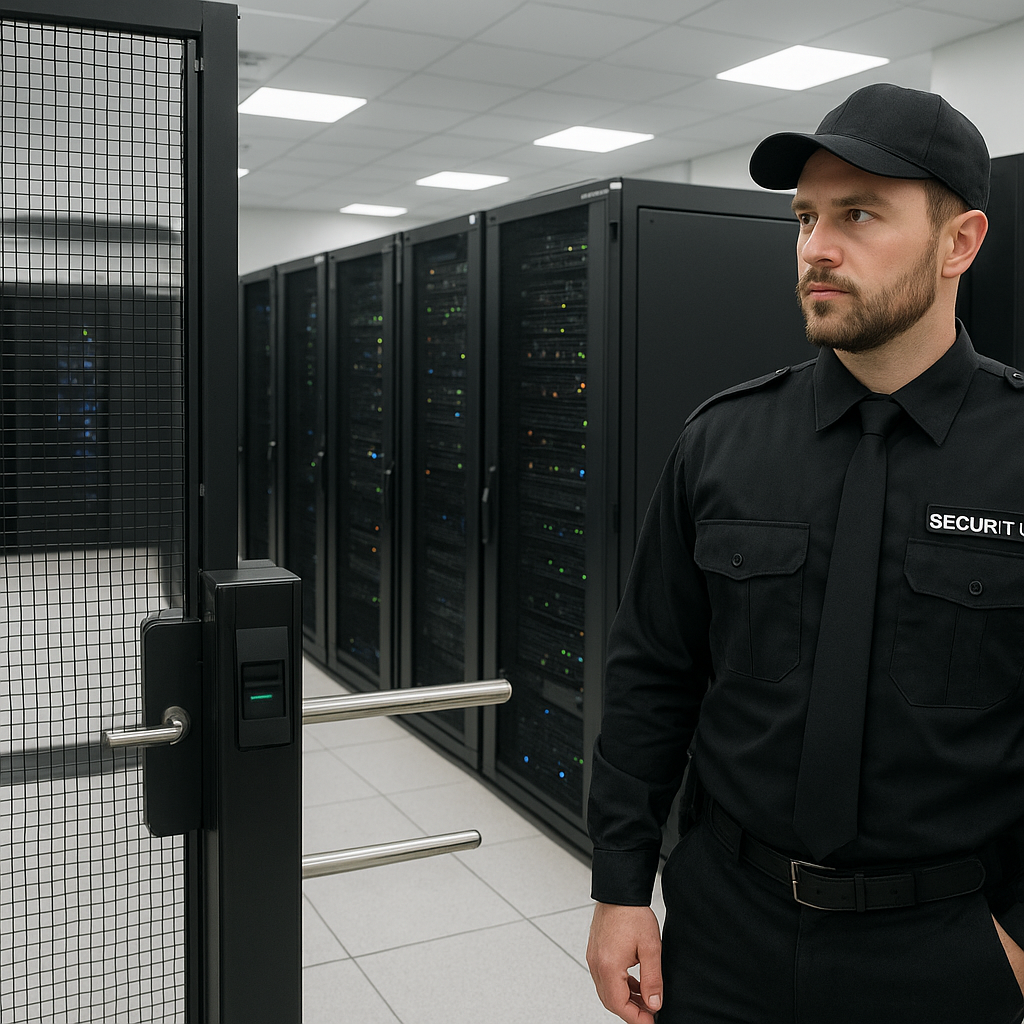
Protecting the physical infrastructure that houses mission-critical servers and networking equipment is paramount for any organization relying on modern data centers. A single unauthorized breach can lead to downtime, data loss or theft, and severe reputational damage. This article explores practical measures to prevent unauthorized physical access, combining technological solutions, procedural controls, and human factors to create a robust defense-in-depth strategy.
Access Control Systems
Implementing multi-layered access control systems is the first line of defense against intruders. By regulating who can enter each area of a data center, organizations minimize the chances of malicious actors reaching sensitive equipment.
Electronic Entry Mechanisms
Modern facilities deploy a variety of electronic locks and readers:
- Proximity card readers with rotating PIN validation.
- Keypad systems synchronized with centralized management.
- Biometric scanners (e.g., fingerprint, iris, or facial recognition) to verify unique identifiers.
Combining two or more methods in a biometric authentication + badge solution drastically reduces the risk of credential sharing or duplication.
Mantrap and Tailgating Prevention
Mantrap vestibules force visitors to authenticate in a contained space before proceeding. When paired with anti-tailgating sensors and weight-based floor mats, organizations ensure that only one individual passes per valid credential swipe.
Physical Barrier Strategies
In addition to electronic systems, robust physical barriers prevent brute-force intrusion:
Perimeter Fencing and Gates
Start by fortifying the perimeter with perimeter fencing at least 8 feet high, topped with anti-climb deterrents. Vehicle barriers and bollards protect against ram-raiding attacks.
Secure Doors and Walls
All data hall doors should be constructed of reinforced steel or ballistic-grade materials. Walls must resist drilling and cutting. Emergency exits require alarms that trigger alerts when opened without proper authorization.
- Ballistic-rated entrance doors.
- High-security locks with tamper sensors.
- Shatterproof glass in observation areas.
Monitoring and Surveillance
Constant observation and alerting mechanisms form a critical component of any security posture. Early detection of unauthorized behavior enables swift response and mitigation.
Video Surveillance
Deploy surveillance cameras covering all entrances, exits, server aisles, and utility corridors. Key features to consider:
- High-definition day/night cameras with infrared illumination.
- Wide dynamic range (WDR) to handle varying light conditions.
- On-camera analytics for motion detection and loitering alerts.
Intrusion Detection Sensors
Motion detectors, glass break sensors, and vibration sensors on fence lines expand coverage. When integrated with a security information and event management (SIEM) platform, intrusion detection events are correlated with badge logs and video feeds for real-time situational awareness.
Visitor Management
Effective visitor management processes reduce the insider threat and eliminate unauthorized tailgaters.
Pre-Registration and Vetting
Require all visitors to be pre-registered, with details forwarded to security teams for background checks. Automated vetting tools can cross-reference government watchlists to flag high-risk individuals.
Onsite Check-In Procedures
- Create a dedicated reception area outside the secure zone.
- Issue temporary, tamper-evident badges with photography and expiration times.
- Enforce an escort policy where visitors must be accompanied by an authorized employee at all times.
Maintaining comprehensive visitor logs with digital timestamps and reason codes helps investigators reconstruct events in case of an incident.
Staff Training and Policies
Human error remains a leading cause of security breaches. Well-defined policies and continuous training ensure staff understand their role in protecting the facility.
Security Awareness Programs
Regular training sessions should cover:
- Recognizing and reporting suspicious behavior.
- Proper challenge-and-escort protocols.
- Safe handling of access credentials and badges.
Clear Desk and Clear Badge Policies
Enforce policies requiring employees to store badges securely when not in use, and keep sensitive documents off desks. An unguarded badge or discarded paperwork can be exploited by intruders.
Reinforce adherence to security policies through periodic audits and simulated social engineering tests to identify potential weaknesses.
Continuous Improvement and Auditing
Physical security is not a one-time project but an ongoing commitment. Regular assessments and technology upgrades ensure defenses remain effective against evolving threats.
Periodic Security Audits
Engage third-party experts to conduct penetration tests on physical barriers, access controls, and response procedures. Detailed audit reports should provide actionable recommendations.
Technology Refresh and Scalability
As devices age, firmware vulnerabilities emerge. Plan for a monitoring schedule that covers camera uptime, access reader health, and alarm system integrity to maintain continuous protection.