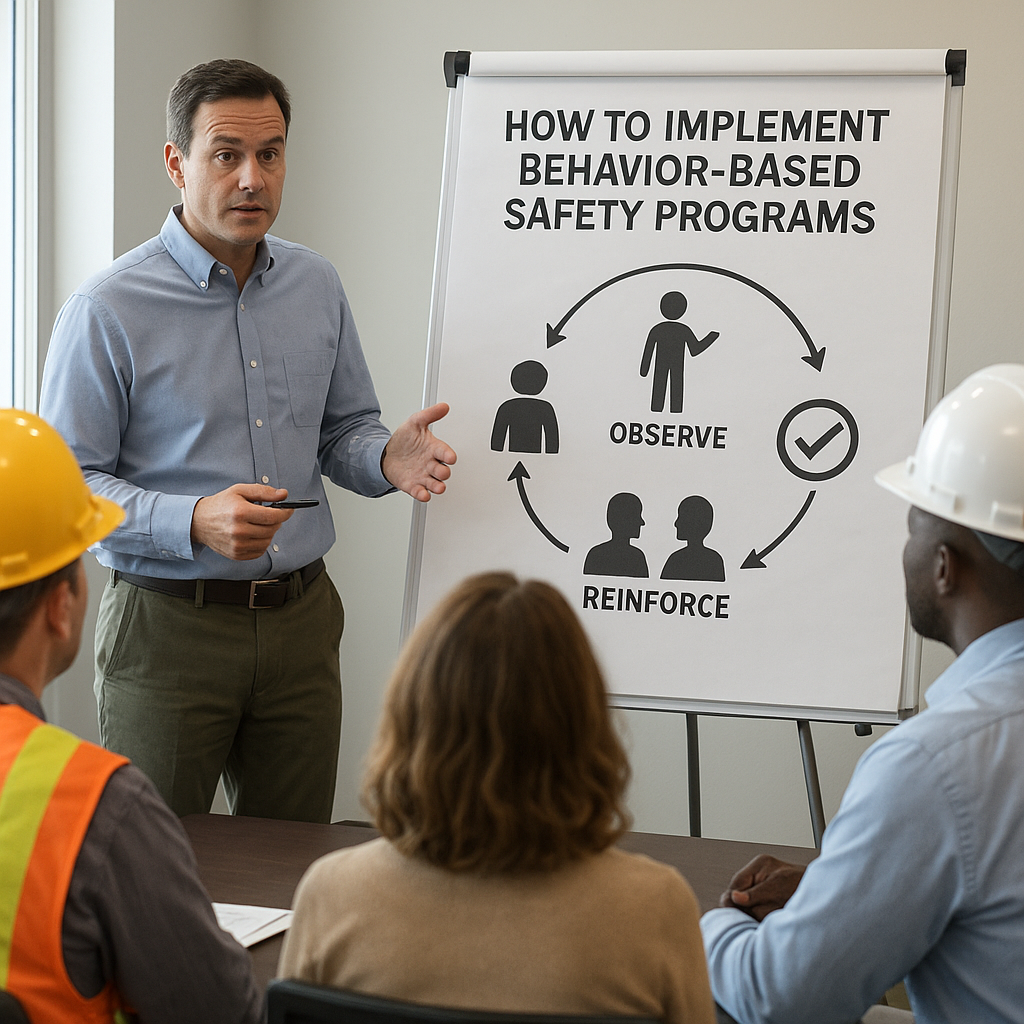
Implementing a robust behavior-based safety program can transform an organization’s approach to risk management, employee well-being, and operational resilience. By focusing on observable actions and underlying motivations, companies can foster a proactive environment where every team member contributes to maintaining a secure workplace. This article explores foundational concepts, strategic design, practical rollout, and continuous enhancement of an effective behavior-based safety initiative.
Foundations of Behavior-Based Safety
Behavior-based safety (BBS) shifts the focus from merely reacting to incidents to addressing the root causes of unsafe behaviors. At its core, BBS integrates safety science, psychology, and organizational change principles to influence daily actions. Instead of relying solely on policies or personal protective equipment, businesses cultivate environments where employees recognize and adjust risk-prone behaviors in real time.
Critical elements in this foundation include:
- Observation: Systematic monitoring of tasks and routines to identify unsafe acts or conditions.
- Feedback: Constructive communication channels that reinforce positive behaviors and correct deviations.
- Data-driven insights: Collecting and analyzing metrics to uncover trends and prioritize interventions.
- Culture: Fostering a shared mindset where safety becomes a personal and collective value.
Developing a strong safety culture demands visible commitment from leadership, transparent reporting of near-misses, and continuous dialogue among all organizational levels. By embedding these principles, companies can proactively reduce incidents and enhance operational efficiency.
Designing a Behavior-Based Safety Program
An effective BBS program begins with a thorough assessment of existing processes, potential hazards, and workforce dynamics. Key steps include:
- Conducting a gap analysis to compare current performance against industry benchmarks.
- Engaging cross-functional teams to map out critical tasks and risk zones.
- Defining clear, measurable objectives for behavior change and incident reduction.
- Identifying and training dedicated observers or safety champions.
When designing observation tools, ensure they are:
- User-friendly: Simple checklists or mobile apps that streamline data capture.
- Behavior-focused: Prioritizing specific actions over general compliance.
- Risk-based: Targeting high-consequence activities and common error patterns.
Establishing metrics for success is crucial. Typical indicators include observation rates, safe vs. at-risk behavior ratios, and changes in leading and lagging metrics. Define baseline values to measure progress, and set short- and long-term targets to maintain momentum.
Implementation Strategies and Training
Rolling out a BBS program involves structured training, clear communication, and hands-on practice. Effective components include:
- Interactive Workshops: Engaging sessions where employees practice observation techniques and role-play constructive feedback.
- On-the-Job Coaching: Pairing new observers with experienced mentors for shadowing and real-time guidance.
- Digital Learning: E-learning modules covering the psychology of behavior change and risk perception.
Successful training emphasizes the importance of empathy, active listening, and a nonjudgmental approach. Observers learn to:
- Focus on specific behaviors rather than personalities.
- Deliver balanced feedback that highlights strengths and areas for improvement.
- Use hazard recognition skills to anticipate potential unsafe outcomes before they occur.
Communication plans must promote transparency. Regular safety briefings, visual dashboards in common areas, and digital bulletins reinforce program visibility. Recognize top performers and teams that demonstrate exceptional engagement to sustain enthusiasm.
Monitoring, Measurement, and Continuous Improvement
Behavior-based safety is an iterative process that thrives on ongoing evaluation and refinement. Establish a robust monitoring framework to:
- Track participation rates and observation quality.
- Analyze incident data alongside behavior trends.
- Identify systemic barriers preventing safe conduct.
Leverage technology platforms to automate data collection and generate real-time dashboards. Integrating BBS data with broader enterprise risk management systems enables holistic insight into organizational compliance and performance.
Continuous improvement cycles should include:
- Quarterly review meetings to assess progress against goals and adjust strategies.
- Focus groups or surveys that capture employee perceptions of safety culture.
- Refreshers and advanced courses for observers to deepen their skills.
Fostering a learning environment where mistakes become opportunities for growth encourages long-term commitment. Leadership must celebrate milestones and publicly acknowledge teams that contribute to a safer workplace. In doing so, the program evolves from a compliance exercise into a dynamic driver of organizational excellence.