Working through the night presents unique challenges that demand careful planning and effective measures. Ensuring a safe environment for night shift employees not only protects their physical health but also promotes operational continuity and employee morale. By adopting comprehensive strategies, organizations can address potential hazards, enhance security protocols and maintain a supportive atmosphere.
Safety Risk Assessment for Night Shifts
A systematic risk assessment lays the foundation for all subsequent safety initiatives. Nighttime conditions often reduce natural visibility and increase the likelihood of unanticipated incidents.
Identifying Potential Hazards
- Poor lighting in corridors and parking lots
- Limited staff availability and slower response times
- Fatigue-related errors due to circadian rhythm disruptions
- Increased chance of trespassing or unauthorized access
Once hazards are identified, rank them by severity and likelihood. This will guide resource allocation and prioritize initiatives that yield the highest risk reduction. Involving frontline workers in this process offers valuable insights into real-world conditions.
Implementing Control Measures
- Upgrade to energy-efficient LED fixtures with motion sensors
- Install clear signage in high-traffic and remote areas
- Designate parking spots close to entrances for night staff
- Establish perimeter barriers and secure fencing
Control measures should be reviewed regularly to ensure ongoing effectiveness. Collect feedback via safety audits and anonymous reporting channels to refine procedures.
Staff Training and Communication
Effective training builds employee resilience and confidence in handling night-specific emergencies. Clear communication channels bridge gaps between shifts and reinforce organizational priorities.
Customized Training Programs
- Night-shift orientation covering entry/exit protocols
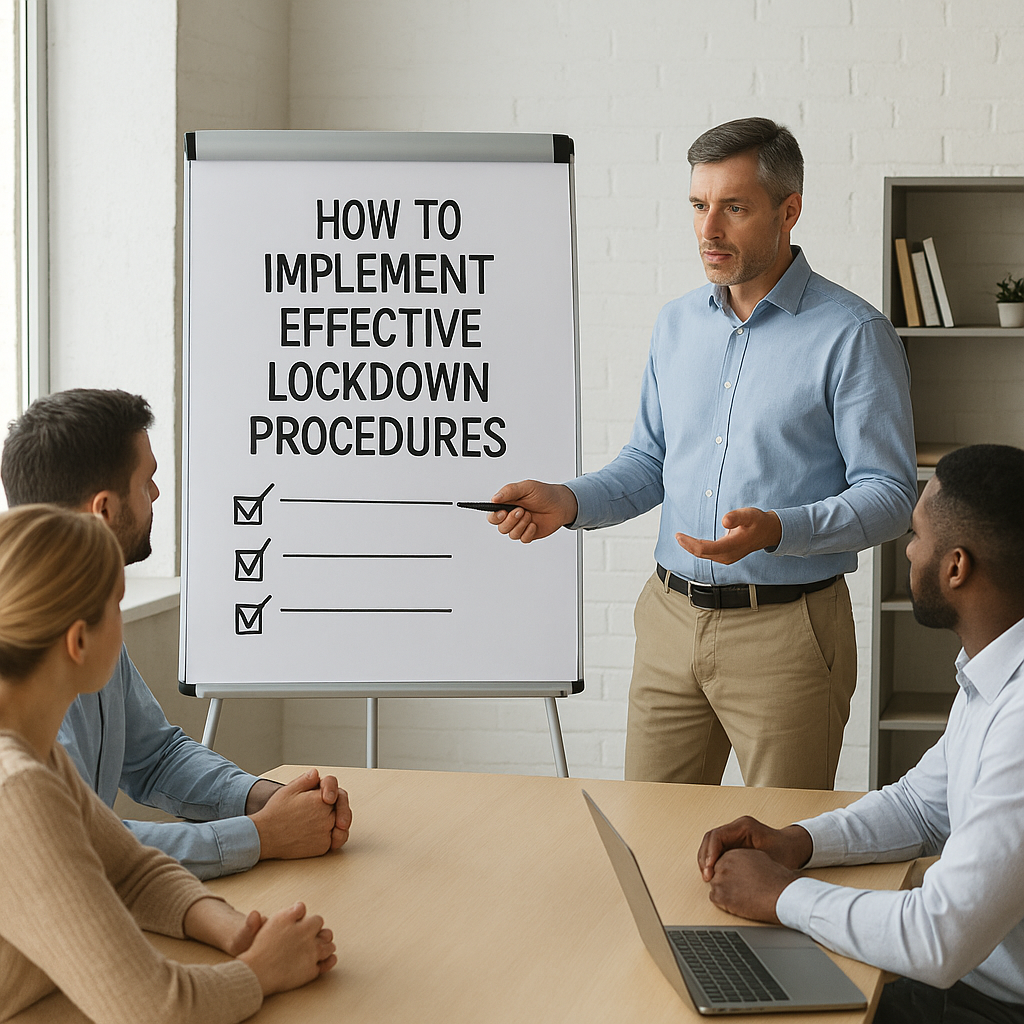
- Regular drills for fire, medical emergencies and lockdowns
- Instruction on using personal safety devices (alarms, panic buttons)
- Stress management and fatigue mitigation techniques
Interactive workshops and scenario-based simulations foster practical understanding. Integrate e-learning modules for continuing education and knowledge retention. Recognize employees who identify hazards or suggest improvements.
Enhancing Communication Channels
- Two-way radios or secure mobile apps for instant alerts
- Shift handover logs digitized to capture critical incidents
- Virtual huddles at shift start to discuss intelligence and updates
- Anonymous feedback portals to report near-misses
Ensure that all team members acknowledge receipt of important notices. Emergency contact lists and escalation trees should be easily accessible both digitally and in print.
Technological Solutions and Monitoring
Advanced technology enhances surveillance and deters potential threats. Investment in reliable systems safeguards assets and personnel throughout the night.
Access Control Systems
- Biometric readers to prevent unauthorized entry
- Smart card access with time-based restrictions
- Automated visitor management with photo capture
Restrict high-security zones to essential personnel only. Periodically audit access logs to detect anomalies or suspicious patterns.
Surveillance and Alarm Integration
- 360-degree pan-tilt-zoom cameras covering blind spots
- Infrared and low-light cameras for clear nighttime footage
- Integrated alarm systems linked to security stations
- Cloud-based video storage with tamper-proof encryption
Real-time monitoring by a trained security team allows swift response. Configure alerts to escalate critical incidents to local authorities automatically.
Emergency Procedures and Employee Well-Being
Preparedness and support structures empower night-shift teams to handle crises and maintain well-being. A holistic approach integrates both procedural readiness and mental health care.
Clear Emergency Protocols
- Detailed evacuation routes and muster points
- Designated first responders with up-to-date certifications
- Emergency supply kits stocked in strategic areas
- Regular evaluation of alarm systems and PA announcements
Display protocols in common areas and digital dashboards. Conduct unannounced drills to test responsiveness and identify areas for improvement.
Mental Health and Fatigue Management
- Scheduled breaks in well-lit, comfortable rest zones
- Availability of healthy snacks, hydration stations and vending
- Access to confidential counseling services and peer support groups
- Flexible scheduling options and shift rotation to reduce burnout
Night-shift environments can heighten stress and isolation. Encourage supervisors to check in regularly and facilitate team-building activities that foster camaraderie.
Continuous Improvement and Compliance
A proactive approach to compliance and ongoing enhancement ensures that protocols evolve with emerging threats and regulatory changes. Align night-shift safety strategies with industry standards and legal requirements.
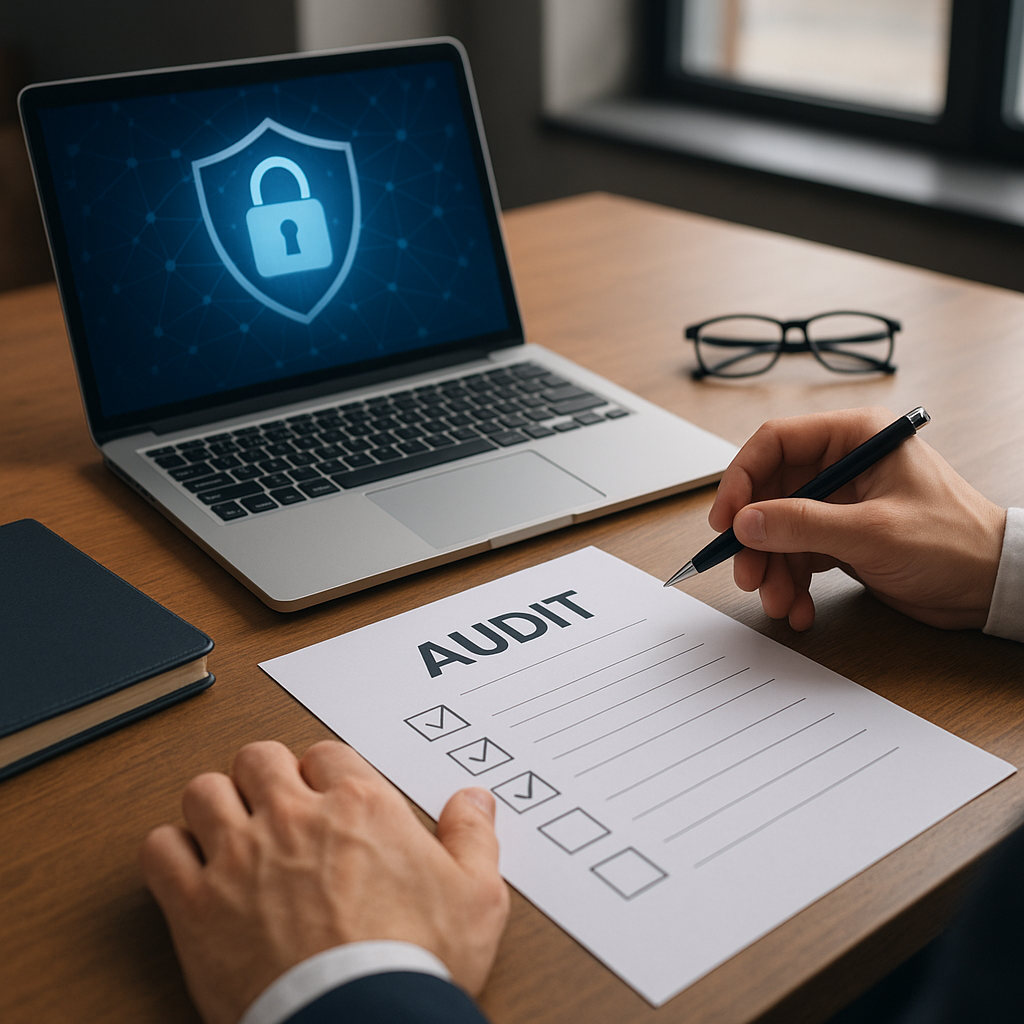
Regular Audits and Inspections
- Internal safety reviews at quarterly intervals
- Third-party assessments for unbiased feedback
- Compliance checks against OSHA, ISO and local regulations
Document findings comprehensively and track corrective actions. Share audit outcomes with all stakeholders to foster transparency.
Benchmarking and Best Practices
- Participate in industry forums to exchange insights
- Monitor case studies of successful night-shift security programs
- Adopt innovations such as AI-driven threat detection
Learning from peers and emerging technologies keeps safety measures robust and forward-looking. Continually refine policies to meet both operational demands and employee expectations.