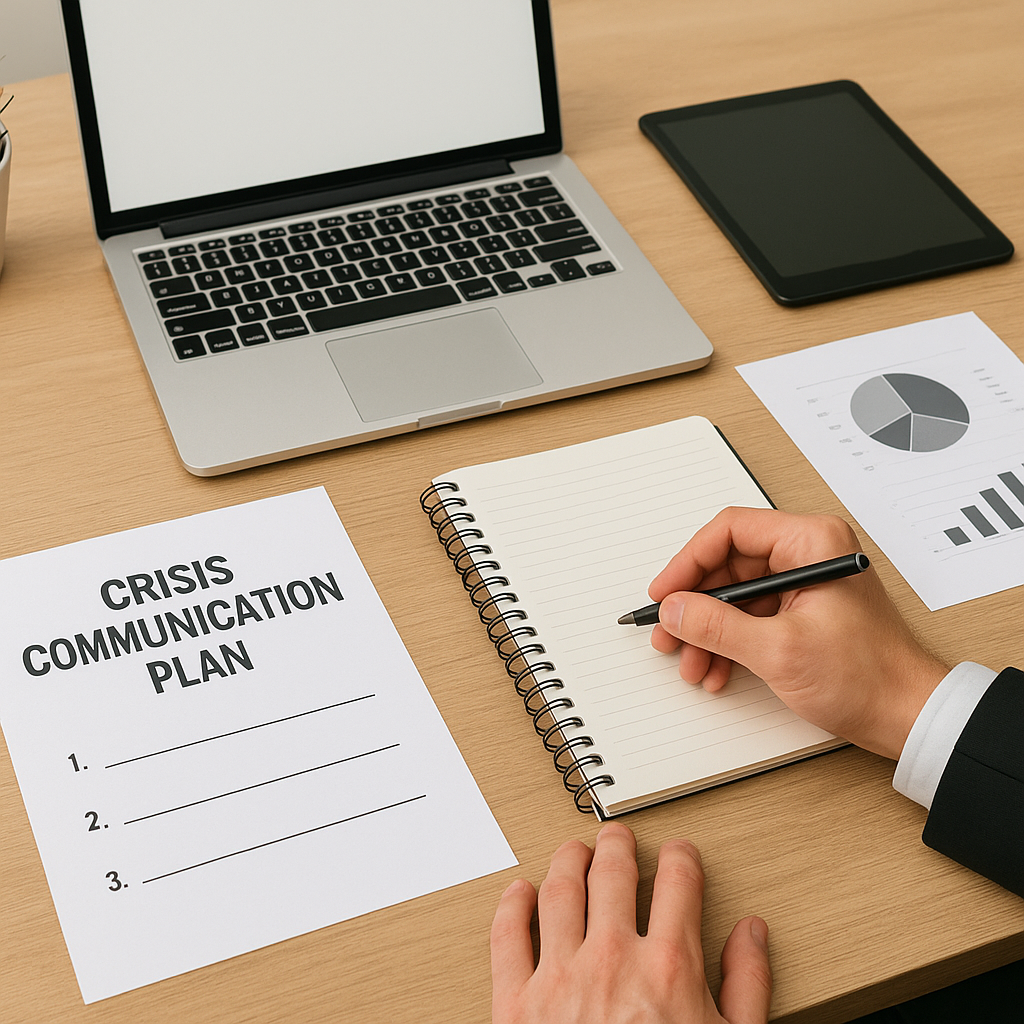
Effective crisis communication is the backbone of any resilient organization. When unexpected events threaten the integrity or reputation of a business, a well-structured plan ensures that key **stakeholders** receive timely, accurate information. This article outlines a comprehensive guide to building a robust crisis communication framework within the realm of **business security**.
Understanding the Foundations of Crisis Communication
Before drafting any plan, it is essential to grasp the core principles that underpin successful crisis management. A robust communication strategy rests on clarity, speed, and **transparency**. By laying a strong foundation, companies can navigate emergencies—from data breaches to natural disasters—while maintaining trust.
Key Principles
- Clarity: Use straightforward language to avoid confusion during high-stress situations.
- Speed: Rapid response mitigates rumors and misinformation.
- Accuracy: Verify facts before releasing statements to preserve credibility.
- Empathy: Acknowledge stakeholder concerns and show genuine understanding.
Defining Crisis Scenarios
To build an effective plan, list potential threats specific to your organization:
- Cybersecurity intrusions
- Executive misconduct or legal disputes
- Supply chain failures
- Public health emergencies
- Natural disasters
Classify these scenarios by severity and probability. This approach helps you allocate resources and tailor your **protocols** to the highest-risk events.
Establishing the Crisis Response Team
Coordinated action depends on a dedicated team empowered to make swift decisions. This group serves as the nerve center for all communication activities during an emergency.
Key Roles and Responsibilities
- Team Leader: Oversees the entire crisis response, liaising with senior management.
- Communications Officer: Crafts and distributes official statements.
- Legal Counsel: Ensures compliance and minimizes liability risks.
- IT Specialist: Monitors digital security and restores affected systems.
- HR Representative: Addresses employee concerns and internal messaging.
Assign clear lines of authority and establish chain-of-command diagrams. Regularly update contact lists and backup contacts to ensure **preparedness** even if primary members are unavailable.
Selecting and Managing Communication Channels
Diverse platforms reach different stakeholder groups. A successful plan integrates both internal and external channels to deliver consistent messaging across all audiences.
Internal Channels
- Intranet notices
- Emergency SMS alerts
- Staff hotlines
- Departmental meetings
External Channels
- Press releases
- Company social media accounts
- Email bulletins to clients and partners
- Investor relations portals
Map each channel to a stakeholder segment and designate authorized **response** outlets. This avoids mixed messages and ensures that information flows swiftly to those who need it most.
Crafting Key Messages and Holding Statements
Pre-approved statements speed up communication and reduce risks of misstatement under pressure. Developing message templates for various scenarios ensures consistency and alignment with corporate values.
Message Development
- Brief description of the incident
- Steps the organization is taking
- Expected timeline for updates
- Reassurance of commitment to safety and integrity
Tailoring for Audiences
Adjust tone and detail depending on whether you address employees, customers, regulators, or the media. For sensitive scenarios, involve legal counsel in final approvals to safeguard against liability.
Testing, Training, and Exercising the Plan
Even the best-laid plans can falter without routine practice. Conduct drills and simulations to gauge the team’s readiness and identify gaps.
Tabletop Exercises
- Present hypothetical crises and walk through responses step by step.
- Encourage open discussion about decision-making and potential obstacles.
Full-Scale Simulations
- Activate real channels and mock stakeholders to mimic live conditions.
- Measure response times, message accuracy, and coordination efficiency.
Document lessons learned and update the plan to reflect improvements. Frequent **training** cements roles and connections, ensuring the team remains sharp even as personnel change.
Maintaining and Updating the Crisis Communication Plan
A crisis plan is not a one-off document; it evolves with the organization and its external environment. Schedule formal reviews at least twice a year, or after any significant event.
Key Maintenance Activities
- Audit contact lists and communication technologies
- Reassess threat landscape and regulatory requirements
- Incorporate feedback from recent exercises and real incidents
- Update message templates and approval workflows
By fostering a culture of continuous **evaluation** and **adaptability**, businesses can ensure their crisis communication capabilities remain robust and responsive over the long term.