The Importance of Background Checks in Hiring

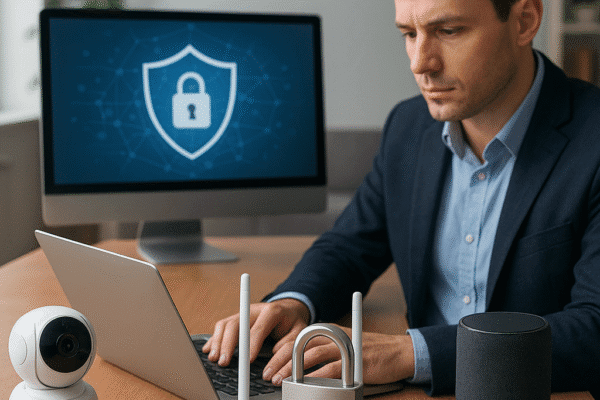
The process of vetting potential employees through systematic background checks is a cornerstone of modern business security. By examining an individual’s history, organizations can identify potential threats, safeguard their reputation, and uphold a culture of trust. This article delves into the multifaceted aspects of background checks, exploring the risks they help mitigate, the legal frameworks that govern them, best practices for implementation, and the evolving role of technology in streamlining…

Read More

How to Prevent Industrial Espionage

Industrial espionage poses significant risks to companies of all sizes, threatening the confidentiality of sensitive data, undermining competitive advantage, and causing substantial financial losses. Protecting intellectual property and proprietary processes requires a comprehensive approach that combines advanced technologies, well-defined protocols, and a security-conscious workforce. This article explores practical strategies to minimize the risk of corporate spying and safeguard critical assets. Understanding Industrial Espionage Threats Before developing a defense strategy, organizations…

Read More

How to Balance Convenience and Security in the Workplace

Striking the right balance between convenience and security in the workplace demands a strategic approach. Employees require seamless access to tools and data, while organizations must safeguard sensitive information and maintain compliance with regulations. This article explores key strategies to harmonize efficiency and protection, leveraging best practices from technology deployment to cultural transformation. Assessing the Trade-Offs: Convenience vs Security Every organization faces inherent tensions between user-friendly systems and stringent protective…

Read More

How to Protect Company Assets During Business Travel

Business travel presents a unique set of challenges for safeguarding corporate assets. When employees carry sensitive data, high-value equipment or proprietary information abroad, even minor oversights can lead to significant losses. By implementing robust measures and reinforcing a culture of vigilance, organizations can reduce exposure to external threats, ensure compliance with internal guidelines, and maintain uninterrupted operations. Planning and Preparation for Secure Travel Every successful security program begins with thorough…

Read More

The Importance of Regular Security Policy Updates

Effective security governance rests on continually aligning policies with an ever-evolving risk environment. As cybercriminal tactics become more sophisticated, maintaining outdated protocols invites unnecessary exposure. Regularly revisiting and refining security policies not only ensures compliance with emerging regulations but also cultivates a culture of vigilance and responsibility. This article explores key advantages, practical steps, and common obstacles in keeping corporate security policies up to date. Benefits of Regular Security Policy…

Read More

How to Secure Internet of Things Devices in the Office

Integrating Internet of Things into an office environment unlocks significant productivity gains but also exposes businesses to a range of security challenges. Securing these interconnected devices requires a strategic approach that addresses risks at every level, from initial deployment to ongoing maintenance. The following sections explore essential practices for protecting your office IoT ecosystem against emerging threats. Assessing IoT Security Risks Before deploying any connected device, conduct a thorough risk…

Read More

How to Protect Company Data During Employee Turnover

Employee turnover presents a critical juncture for organizations determined to maintain robust data protection. Departing staff members can inadvertently or deliberately expose sensitive information, making it essential to establish comprehensive safeguards. This article explores practical strategies to secure company data during transitions, focusing on access restrictions, structured offboarding, continuous monitoring, and proactive communication. Understanding Employee Turnover Risks Sudden personnel changes can expose gaps in existing security frameworks. When an employee…

Read More

How to Manage Visitor Access in Corporate Buildings

Managing the flow of non-employee traffic into corporate premises requires a careful combination of policy, technology, and human judgment. Effective visitor access control not only enhances physical security but also safeguards assets, protects sensitive information, and upholds a company’s reputation. This article delves into key strategies for establishing a robust visitor management framework in corporate buildings. Understanding the Importance of Visitor Access Control Unauthorized or poorly tracked visitors can introduce…

Read More

How to Monitor and Control Physical Access Points

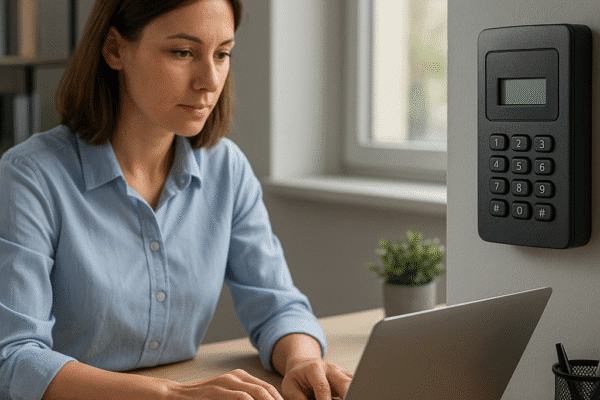
Effective management of physical entrances requires a comprehensive strategy that balances technology, process and human factors. This article explores methods to identify, secure and oversee critical access points in a business environment. By combining advanced controls with ongoing monitoring, organizations can significantly reduce vulnerabilities and maintain a higher level of overall security. 1. Mapping and Classifying Entry Points Before implementing any controls, it is essential to conduct a thorough site…

Read More

How to Conduct Security Drills Effectively

Conducting security drills effectively requires meticulous preparation, clear objectives, and continuous refinement. A well-designed drill not only uncovers hidden vulnerabilities but also enhances organizational resilience. This article outlines the essential steps for planning, executing, and evaluating security exercises that bolster business continuity and safeguard valuable assets. Preparing for a Security Drill Thorough planning is the foundation of any successful drill. Organizations must define the scope, allocate resources, and engage key…

Read More