How to Secure Your Company’s Wi-Fi Network

Securing a corporate wireless network demands a strategic blend of technology, policies, and ongoing vigilance. A misconfigured or vulnerable Wi-Fi infrastructure can expose sensitive data, damage reputation, and lead to costly breaches. This article outlines essential measures to protect your organization’s wireless environment, ensuring reliable connectivity while minimizing security risks. Understanding Common Wi-Fi Threats Before deploying safeguards, it is crucial to recognize the primary risks that target business networks. Attackers…

Read More

Why Access Control Systems Are Essential for Modern Offices

Implementing an access control system goes beyond installing locks or issuing badges. Modern offices demand holistic solutions that safeguard assets, streamline operations, and ensure compliance with evolving regulations. By integrating state-of-the-art technologies, organizations can unlock significant advantages across security, workforce productivity, cost management, and digital transformation initiatives. Benefits of Access Control Systems An advanced access control solution provides more than just physical barriers—it delivers a multi-layered defense strategy. Traditional locks…

Read More

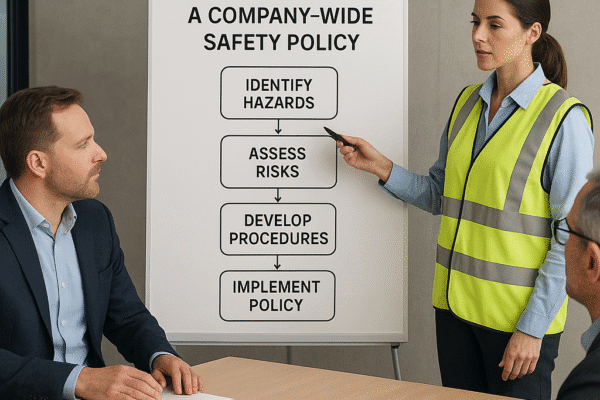
How to Develop a Company-Wide Safety Policy

Establishing a robust company-wide safety policy is essential for safeguarding employees, assets, and reputation. A well-crafted safety framework not only minimizes the risk of accidents but also fosters a culture of responsibility and trust. This article explores key aspects of designing and implementing an effective safety policy that spans all levels of your organization. Understanding the Value of a Safety Policy Before drafting any formal policy, it’s crucial to recognize…

Read More

The Dangers of Social Engineering and How to Prevent It

Social engineering attacks exploit the human element within an organization to gain unauthorized access, steal sensitive data, or manipulate employees. As malicious actors refine their methods, companies must prioritize a comprehensive security framework that addresses both technological vulnerabilities and the human factor. This article explores the **dangers** of social engineering and outlines effective strategies to **prevent** these costly breaches. Understanding Social Engineering Definition and Techniques Phishing: Mass emails designed to…

Read More

How to Secure Remote Work Environments

Securing remote work environments requires a holistic approach that addresses network vulnerabilities, device protections, and human factors. Organizations must adopt robust strategies to defend against evolving cyber threats while ensuring seamless productivity. This article explores critical measures for safeguarding distributed teams and sensitive business assets. Network Access Hardening Establishing a fortified network perimeter is fundamental for any remote workforce. Attackers frequently target unsecured connections to infiltrate corporate systems. By implementing…

Read More

The Role of Leadership in Corporate Security

Effective corporate security transcends mere technical solutions and policies; it hinges on the quality of leadership guiding the organization. Strong leadership sets the tone for risk awareness, drives strategic decisions, and ensures that security priorities align with business objectives. By embedding security considerations into every level of the corporate structure, leaders forge a resilient organization capable of withstanding evolving threats. This article explores key dimensions in which executive vision, culture…

Read More

How to Protect Sensitive Company Data from Insider Threats

The security of company information faces unique challenges when the threat originates from within. Employees, contractors, and partners often have legitimate access to corporate systems, making it crucial to establish robust protocols that minimize risks without hindering productivity. This article outlines comprehensive methods to safeguard sensitive data from insider threats, covering policy design, technological defenses, and cultural measures. Understanding Different Types of Internal Risks Not all insider incidents stem from…

Read More

Physical Security Measures Every Office Should Have

Delivering a robust defense against unauthorized access and potential threats requires a well-rounded approach that covers every aspect of an office environment. By implementing layered strategies and adopting the right technologies, companies can protect their assets, employees, and sensitive data from breaches. This article explores essential physical security strategies and highlights how to mitigate risks through thoughtful design, strict procedures, and modern tools. 1. Conducting a Thorough Risk Assessment Before…

Read More

How to Implement a Zero Trust Security Model

Adopting a Zero Trust security model has become essential for organizations striving to safeguard their digital assets and sensitive data. Unlike traditional perimeter-based strategies, Zero Trust emphasizes the continuous verification of every user and device, regardless of their location. This approach minimizes attack surfaces and limits lateral movement by treating all network traffic as untrusted. Below, we explore the fundamental concepts, core components, and practical steps for successful implementation. Principles…

Read More

Why Employee Training Is the Key to Cybersecurity

Cyber threats continue to evolve at an unprecedented pace, making employee training a crucial element in any organization’s defense strategy. While advanced firewalls and intrusion detection tools are essential, they can only do so much without a well-prepared workforce. By investing in comprehensive training programs, businesses can transform every team member into an active participant in safeguarding corporate assets and sensitive data. The Human Element in Cybersecurity Most security breaches…

Read More