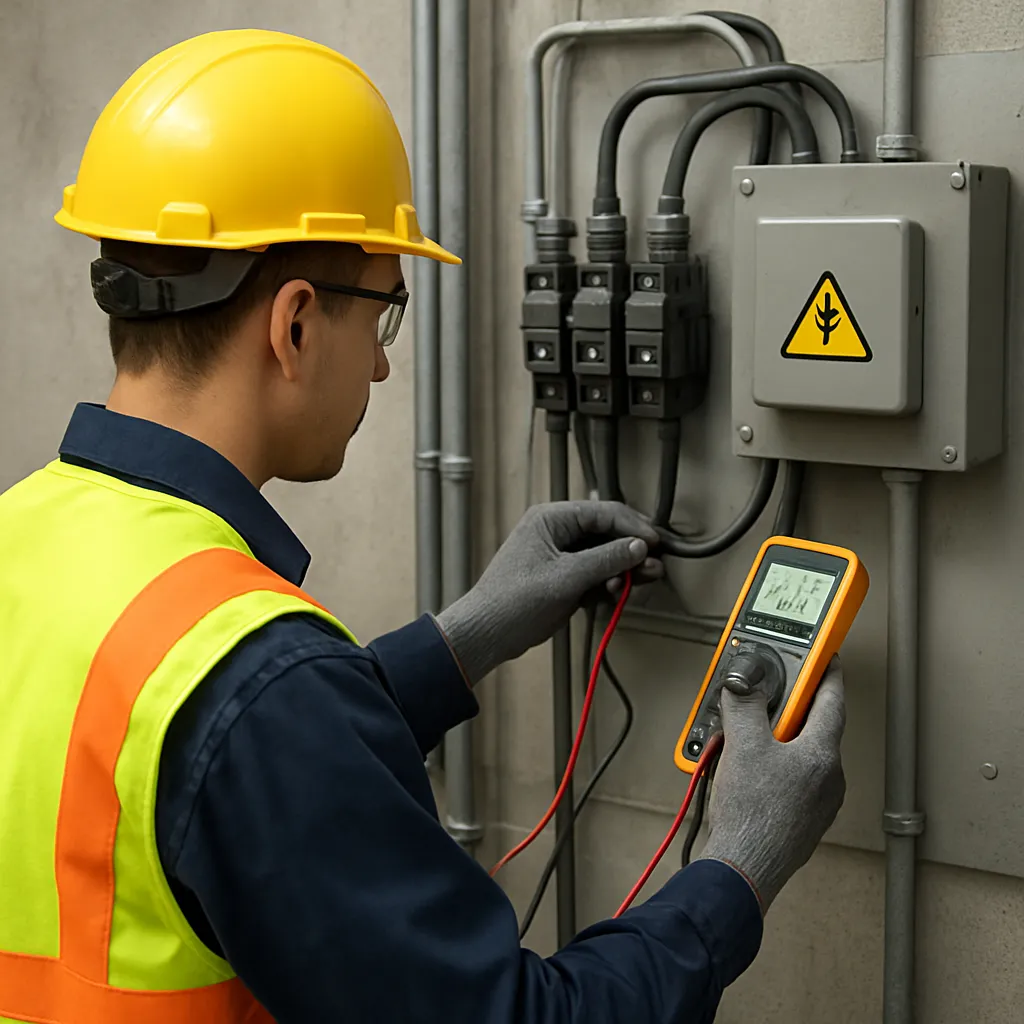
Ensuring the protection of maintenance and technical staff is a critical component of a secure and efficient workplace. When organizations prioritize the well-being of these teams, they not only reduce downtime and liability, but also foster a culture of responsibility and trust. This article explores key strategies for assessing workplace hazards, establishing thorough safety protocols, enhancing skill development, and preparing for emergencies.
Assessing Risks and Hazards at Worksites
Before any maintenance or technical task begins, conducting a comprehensive risk assessment is essential. Identifying physical, chemical, biological, and ergonomic hazards allows supervisors to allocate resources effectively and implement preventive measures. Common steps include:
- Inspecting equipment and machinery for wear, corrosion, or missing guards.
- Mapping high-voltage, confined-space, or elevated work zones.
- Evaluating environmental factors such as noise levels, lighting, and chemical exposure.
- Consulting staff reports and near-miss records to uncover hidden threats.
By establishing a systematic process, organizations can reduce downtime caused by unexpected incidents and ensure that all personnel understand potential dangers. A documented assessment also promotes compliance with industry regulations and internal policies.
Implementing Robust Safety Protocols
Well-defined procedures provide clear guidance on safe work practices. Protocols should be designed collaboratively, involving frontline technicians, safety officers, and management. Key elements include:
- PPE requirements: hard hats, gloves, safety glasses, face shields, and specialized gear for chemical handling.
- Lockout-tagout (LOTO) systems that prevent accidental energization of machinery during servicing.
- Permitting processes for hot work, confined-space entry, and working at heights.
- Heat-stress or cold-exposure guidelines for outdoor projects.
- Tool inspection and maintenance schedules to ensure reliable performance.
Regular audits and surprise inspections help verify that protocols are followed consistently. Incorporating digital checklists and mobile apps can streamline reporting and flag nonconformities in real time.
Enhancing Training and Communication
Customized Training Modules
Every maintenance and technical role has unique demands. Tailored training programs enable staff to master standard procedures and advanced troubleshooting techniques. Incorporate hands-on workshops, virtual reality simulations, and scenario-based drills to cover topics such as:
- Safe operation of cranes, forklifts, and aerial lifts.
- Electrical circuit diagnosis and grounding practices.
- Proper handling and storage of hazardous materials.
- Ergonomic lifting and posture awareness for repetitive tasks.
Emphasize continuous learning through refresher courses and certification renewals. This approach not only improves competence but also enhances employee morale by demonstrating a commitment to their professional growth.
Transparent Communication Channels
Clear, timely communication plays a vital role in safety management. Establish multiple pathways for sharing information, including:
- Daily toolbox talks at the start of each shift.
- Digital alert systems for urgent hazard notifications.
- Anonymous reporting platforms to encourage disclosure of potential risks.
- Regular safety meetings involving cross-functional teams.
Encourage two-way dialogue so maintenance crews feel empowered to suggest improvements or raise concerns. Highlight success stories where staff contributions led to safer processes, reinforcing the value of proactive engagement.
Emergency Preparedness and Incident Management
Despite the best preventive measures, emergencies can still occur. A robust response framework minimizes damage and accelerates recovery. Key components include:
- Clearly marked evacuation routes and muster points for all work areas.
- Accessible first-aid stations stocked with supplies and an automated external defibrillator (AED).
- Designated response teams trained in firefighting, confined-space rescue, and hazardous-material containment.
- Frequent emergency drills simulating power failures, chemical spills, and equipment malfunctions.
- Incident investigation processes that identify root causes and update protocols to prevent recurrence.
Post-incident debriefs should involve affected staff members to gather insights and reinforce lessons learned. Updating training materials and safety manuals after each event maintains a dynamic, responsive system.
Fostering a Culture of Continuous Improvement
Safety is not a one-time project but an ongoing journey. Encourage maintenance and technical teams to share best practices and propose innovations such as condition-monitoring sensors and predictive analytics. Recognize achievements with awards and certificates that spotlight individuals and teams who excel in safety stewardship. This collaborative spirit drives sustained enhancements across operations and cements a reputation for excellence in business security management.


