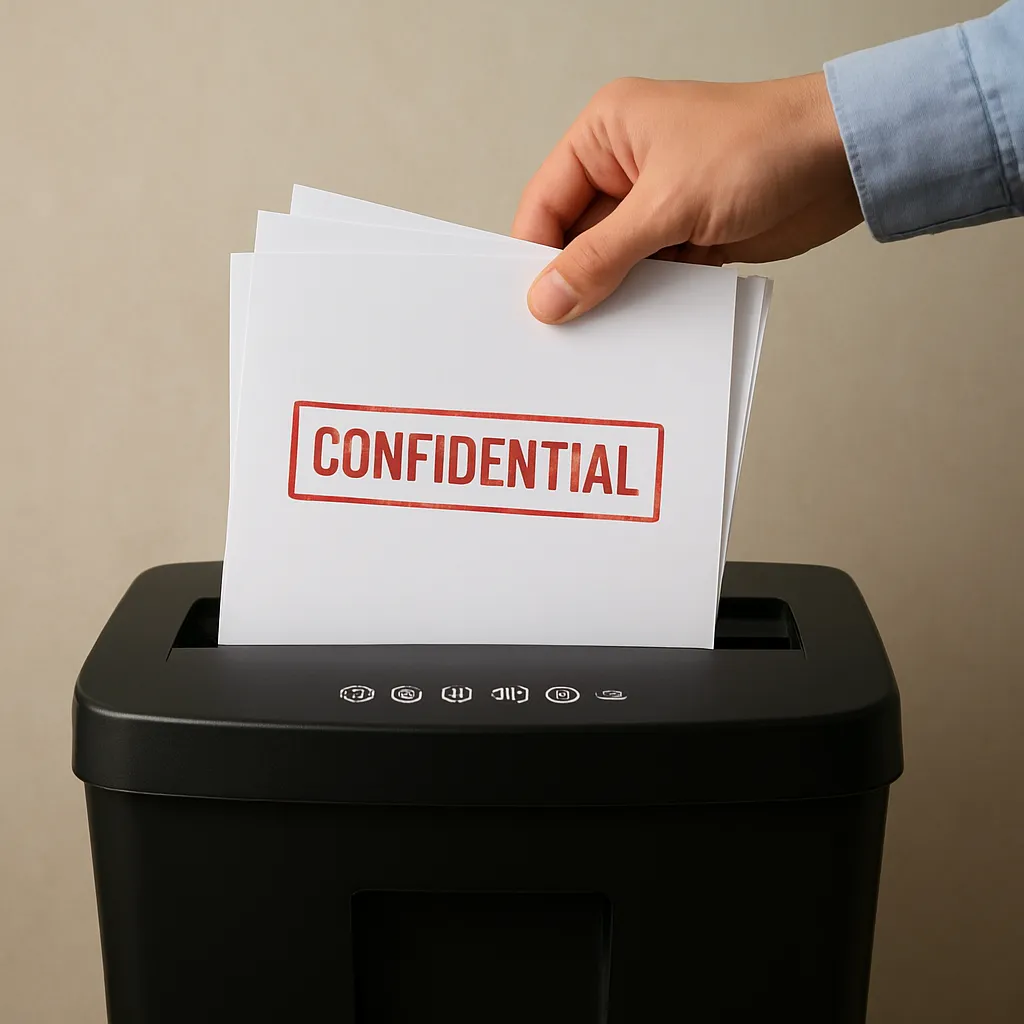
Ensuring the integrity of warehouse logistics operations requires meticulous planning and ongoing safety measures. From initial site design to day-to-day routines, every component plays a crucial role in protecting personnel, assets, and the supply chain’s overall efficiency. Below are strategic approaches to maintain a secure and productive warehouse environment.
Risk Assessment and Site Organization
Identifying Potential Hazards
- Conduct comprehensive audits to catalog risks such as slip-and-fall zones, falling objects, or chemical exposures.
- Evaluate ergonomic stress points in packing, lifting, and repetitive tasks to address hidden hazards.
- Use a risk matrix to assign likelihood and severity scores, enabling prioritization of mitigation efforts.
Optimizing Layout and Traffic Flow
- Design clearly marked aisles and one-way systems to minimize forklift collisions and pedestrian incidents.
- Implement physical barriers, guardrails, and high-visibility tape around high-risk zones.
- Install consistent signage and floor markings that comply with industry compliance standards.
Implementing Robust Safety Training Programs
Onboarding and Refresher Courses
- Incorporate interactive modules covering emergency protocols, proper lifting techniques, and equipment operation.
- Schedule regular refresher sessions to reinforce critical procedures, ensuring knowledge retention over time.
- Maintain records of attendance and performance to track compliance and identify skill gaps.
Specialized Certifications and Drills
- Offer forklift operator certification and hazardous materials handling courses for relevant staff.
- Conduct quarterly emergency evacuation and spill response drills to test readiness.
- Leverage virtual reality simulations for immersive, low-risk training on protocols.
Leveraging Technology for Real-Time Monitoring
IoT Sensors and Environmental Controls
- Deploy temperature, humidity, and air-quality sensors to maintain product integrity and worker comfort.
- Integrate automated alerts with mobile devices, notifying supervisors of threshold breaches.
- Analyze historical data trends to forecast maintenance needs and reduce unplanned downtime.
Advanced Surveillance and Analytics
- Install high-resolution cameras equipped with AI-driven motion detection for unauthorized access alerts.
- Use RFID tags and real-time location systems (RTLS) to track high-value items and prevent shrinkage.
- Implement dashboard analytics to visualize incident hotspots and drive continuous improvement.
Maintaining Equipment and Infrastructure
Regular Equipment Inspections
- Establish a preventive maintenance schedule for forklifts, conveyors, and dock levelers.
- Document inspection findings and corrective actions in a centralized system for accountability.
- Replace worn components promptly to prevent mechanical failures and injury risks.
Storage Rack and Facility Upkeep
- Inspect pallet racks monthly for beam misalignment, bent uprights, or missing safety pins.
- Ensure all fire suppression systems and emergency exits are unobstructed and fully operational.
- Keep floors clean and dry, addressing spills immediately to reduce slip hazards.
Fostering a Culture of Continuous Improvement
Encouraging Proactive Reporting
- Implement a near-miss reporting system that rewards employees for identifying potential issues.
- Review incident data in weekly safety meetings to share lessons learned and reinforce best practices.
- Maintain an open-door policy, ensuring all staff feel empowered to speak up about compliance concerns.
Recognizing and Reinforcing Safe Behaviors
- Develop a rewards program that acknowledges teams achieving monthly targets for hazard mitigation.
- Highlight case studies of successful interventions in internal newsletters to build momentum.
- Set measurable objectives—such as reducing incident rates by a specific percentage—and track progress.
Integrating Security and Emergency Preparedness
Access Control and Perimeter Security
- Install badge readers and turnstiles to ensure only authorized personnel enter critical warehouse zones.
- Monitor gates and loading docks with intrusion detection systems and motion-activated lighting.
- Coordinate with local law enforcement for regular patrols and rapid incident response.
Emergency Response Planning
- Document detailed evacuation routes, assembly points, and roles for all staff members.
- Stock emergency kits with first aid supplies, fire extinguishers, and spill containment materials.
- Review and update the plan annually or after significant operational changes to maintain resilience.