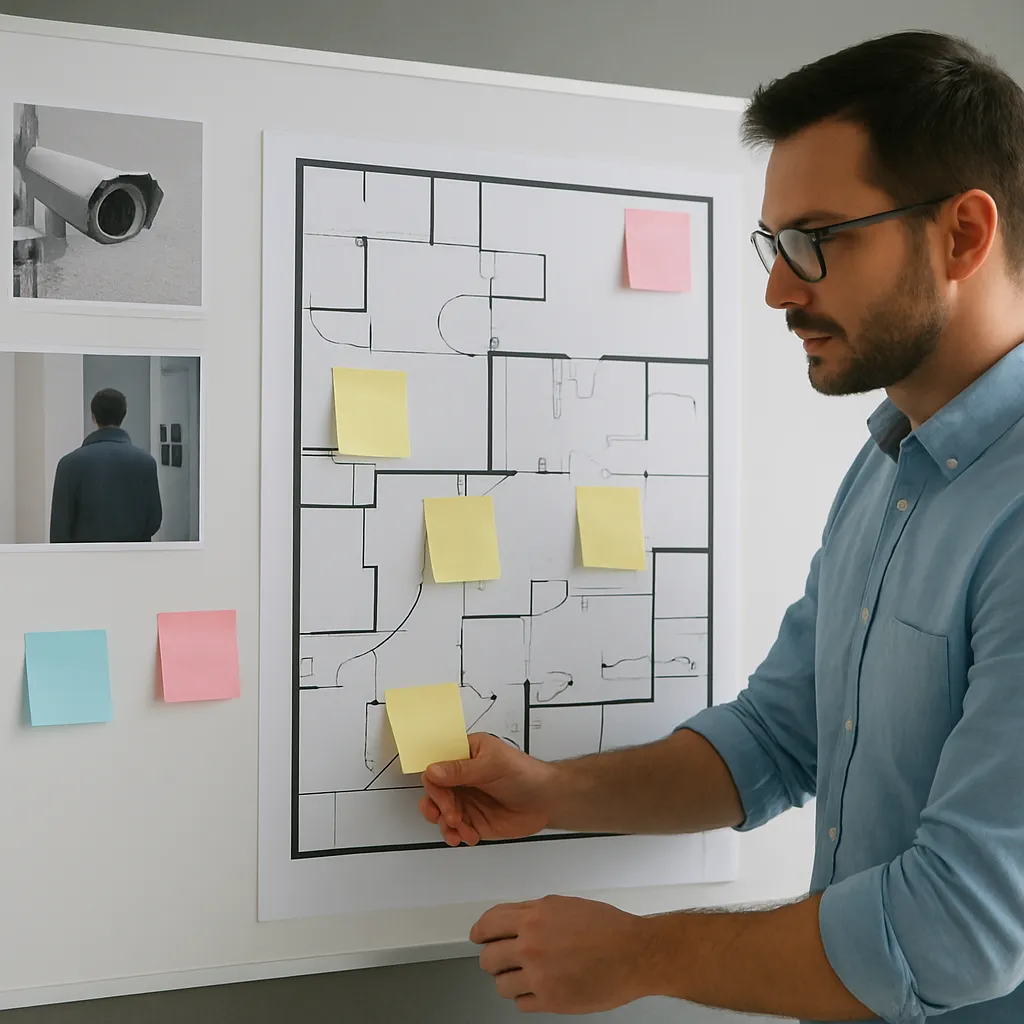
Physical security challenges demand innovative approaches that go beyond traditional locks and barriers. By applying design thinking principles, organizations can develop user-centered solutions that not only deter threats but also enhance operational efficiency. This article explores how businesses can transform their security posture through a structured, creative process.
Understanding Design Thinking in Physical Security
Design thinking is a problem-solving framework originating from product design and innovation. When applied to physical security, it shifts the focus from reactive measures to proactive, human-centered strategies. The five stages—empathize, define, ideate, prototype, and test—guide teams to identify underlying needs and deliver tailored solutions.
- Empathize: Observe and engage with end-users, including employees, visitors, and security personnel, to uncover pain points.
- Define: Clearly articulate security challenges and prioritize objectives based on risk analysis.
- Ideate: Generate a wide range of creative concepts, encouraging cross-functional input.
- Prototype: Build low-fidelity models or mock-ups of security interventions for quick feedback.
- Test: Validate solutions in real-world settings, refine designs, and measure performance.
This iterative process helps organizations move beyond one-size-fits-all security measures and fosters a culture of continuous innovation.
Empathy and User-Centered Research
Successful security design begins with deep user insight. The goal is to understand how people interact with physical spaces and where vulnerabilities arise. Techniques include:
- Stakeholder interviews: Talk to frontline staff, facilities managers, and visitors to capture diverse perspectives.
- Journey mapping: Chart the typical path of an employee or guest through buildings, parking lots, and access points.
- Shadowing and observation: Follow security officers through their daily routines to identify procedural gaps and friction.
During this phase, underline critical pain points such as tailgating, unclear signage, or congested egress routes. By immersing in the user’s world, design teams can generate insights that lead to smarter layouts, improved wayfinding, and more resilient security protocols.
Ideation and Concept Development
Once user needs are defined, it’s time to brainstorm innovative security solutions. Encourage multidisciplinary collaboration among architects, IT experts, security professionals, and end-users. Techniques include:
- Brainwriting sessions to generate at least 50 ideas in 15 minutes.
- SCAMPER (Substitute, Combine, Adapt, Modify, Put to another use, Eliminate, Reverse) to challenge assumptions.
- Role-playing scenarios to visualize how proposed measures affect daily operations.
Focus on combining technology and design, such as integrating smart sensors into architectural elements or using biometric access embedded in common fixtures. Keep the process open—sometimes the most effective security interventions arise from unexpected cross-pollination of ideas.
Rapid Prototyping and Implementation
Prototypes bring concepts to life quickly and inexpensively. They help stakeholders visualize solutions and uncover unforeseen challenges. Common prototyping methods include:
- Physical mock-ups: Use cardboard, 3D printing, or foam-core to create doorframe or checkpoint models.
- Digital simulations: Develop 3D walkthroughs to test sightlines, lighting conditions, and intrusion paths.
- Pilots in live environments: Deploy temporary security stations or mobile kiosks to gather real-time feedback.
By focusing on functional prototypes rather than perfect finishes, teams can iterate swiftly. Track key metrics such as throughput rates, security incident frequency, and user satisfaction to assess each prototype’s impact.
Testing, Feedback, and Iteration
Testing is at the heart of design thinking. It moves organizations from theory to practice and reveals how solutions perform under actual conditions. Effective testing involves:
- Usability trials: Observe how employees and visitors navigate the new security setup without guidance.
- Stress tests: Simulate high-traffic events or emergency evacuations to evaluate capacity and reliability.
- Surveys and interviews: Collect qualitative feedback on perceived safety, convenience, and trust in security measures.
Iteration based on this feedback ensures continuous improvement. Security enhancements should be scaled gradually, balancing cost-effectiveness with risk mitigation. When a prototype fails to meet objectives, teams revisit earlier stages to adapt the design.
Integrating Security Culture and Stakeholder Collaboration
Design thinking is not solely a technical exercise—it also cultivates a security-conscious culture. Engage stakeholders at every stage to foster ownership and alignment:
- Executive sponsorship: Secure commitment from leadership to allocate resources and champion the initiative.
- Cross-department workshops: Involve HR, operations, IT, and facilities to ensure unified policies and standards.
- Change management plans: Develop training, communication materials, and feedback channels to ease adoption.
By making stakeholders part of the creative process, organizations reduce resistance and accelerate buy-in. A shared vision for security design helps maintain consistent practices and enhances overall compliance.
Measuring Success and Continuous Improvement
After full implementation, it’s essential to track performance and adapt over time. Key performance indicators (KPIs) might include:
- Reduction in unauthorized access incidents.
- Decreased response times for security personnel.
- Employee satisfaction scores related to perceived safety and convenience.
- Cost savings from optimized space usage and streamlined processes.
Review these metrics frequently and conduct periodic design thinking sprints to tackle emerging threats or operational changes. Keep a feedback loop open with security teams and end-users, ensuring the solution evolves in line with shifting business objectives and threat landscapes.
Conclusion of Strategic Application
Embedding design thinking into physical security empowers businesses to stay ahead of threats through a human-centered, iterative approach. By prioritizing empathy, collaborative ideation, rapid prototyping, and continual testing, organizations achieve robust protection while maintaining agility and user satisfaction. Ultimately, this methodology transforms security from a barrier into a strategic enabler of business success.


