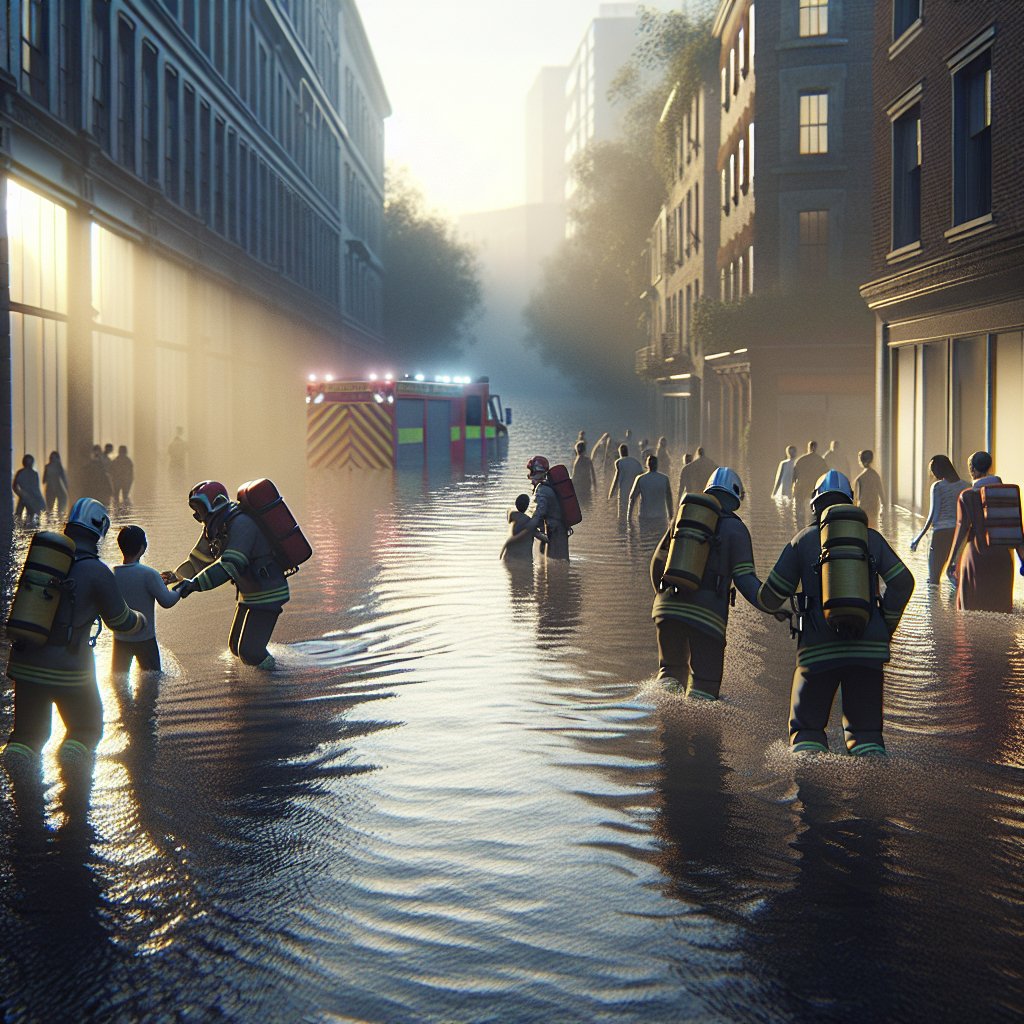
The impact of climate change on public safety is a pressing issue that affects communities worldwide. As global temperatures rise and weather patterns become increasingly erratic, the implications for public safety are profound and multifaceted. This article explores the various ways in which climate change influences public safety, examining the risks associated with extreme weather events, the challenges faced by emergency services, and the broader implications for community resilience.
Extreme Weather Events and Their Consequences
One of the most immediate impacts of climate change on public safety is the increase in the frequency and intensity of extreme weather events. These events include hurricanes, floods, heatwaves, and wildfires, all of which pose significant risks to human life and property.
Hurricanes and Flooding
Hurricanes have become more powerful due to warmer ocean temperatures, leading to increased rainfall and storm surges. Coastal communities are particularly vulnerable, facing the dual threats of flooding and wind damage. The aftermath of such storms often leaves communities in disarray, with infrastructure damaged and essential services disrupted.
- Evacuations: The need for timely evacuations becomes critical during hurricanes. However, not all residents have the means to evacuate, leading to dangerous situations where individuals are trapped in their homes.
- Emergency Response: Emergency services are often overwhelmed during and after hurricanes, struggling to provide aid to those in need. This can lead to delays in rescue operations and increased casualties.
- Long-term Recovery: The recovery process can take years, with communities facing economic hardships and mental health challenges as they rebuild their lives.
Heatwaves and Health Risks
Heatwaves are another consequence of climate change that poses a significant threat to public safety. Prolonged periods of extreme heat can lead to heat-related illnesses and exacerbate existing health conditions.
- Vulnerable Populations: The elderly, children, and those with pre-existing health conditions are particularly at risk during heatwaves. Public health campaigns are essential to educate these groups on how to stay safe.
- Infrastructure Strain: Increased demand for electricity during heatwaves can strain power grids, leading to outages that further endanger public safety.
- Air Quality: Heatwaves can worsen air quality, leading to respiratory issues and other health problems, particularly in urban areas.
Wildfires and Air Quality
Wildfires have become more frequent and severe due to rising temperatures and prolonged drought conditions. The smoke from these fires poses serious health risks, affecting air quality far beyond the immediate vicinity of the blaze.
- Evacuations and Displacement: Wildfires often necessitate evacuations, displacing thousands of residents and creating challenges for emergency services.
- Health Impacts: Exposure to wildfire smoke can lead to respiratory issues, cardiovascular problems, and other health complications, particularly for vulnerable populations.
- Economic Consequences: The economic impact of wildfires can be devastating, affecting local businesses and leading to costly recovery efforts.
Challenges for Emergency Services
As climate change continues to exacerbate extreme weather events, emergency services face numerous challenges in ensuring public safety. These challenges require innovative solutions and increased resources to effectively respond to disasters.
Resource Allocation
Emergency services must allocate resources efficiently to prepare for and respond to climate-related disasters. This includes training personnel, acquiring equipment, and developing response plans that account for the increasing frequency of extreme weather events.
- Training and Preparedness: Regular training exercises are essential to ensure that emergency responders are prepared for a variety of scenarios, including those that may arise from climate change.
- Funding and Support: Increased funding is necessary to support emergency services in their efforts to adapt to the changing climate. This includes investments in infrastructure, technology, and personnel.
- Community Engagement: Engaging with communities to raise awareness about climate risks and preparedness measures is crucial for enhancing public safety.
Coordination and Communication
Effective coordination and communication among various agencies and organizations are vital during emergencies. Climate change complicates this process, as the scale and complexity of disasters can overwhelm existing systems.
- Interagency Collaboration: Collaboration between local, state, and federal agencies is essential for a coordinated response to climate-related disasters.
- Public Communication: Clear and timely communication with the public is critical to ensure that individuals are informed about risks and necessary actions during emergencies.
- Technology Utilization: Leveraging technology, such as social media and mobile applications, can enhance communication and improve the dissemination of information during crises.
Building Community Resilience
In light of the challenges posed by climate change, building community resilience is essential for enhancing public safety. Resilient communities are better equipped to withstand and recover from disasters, ultimately reducing the impact of climate change on public safety.
Infrastructure Improvements
Investing in resilient infrastructure is a key component of community preparedness. This includes upgrading buildings, roads, and utilities to withstand extreme weather events.
- Flood-Resistant Structures: Designing buildings to be flood-resistant can significantly reduce damage during heavy rainfall and flooding events.
- Heat-Resilient Urban Planning: Incorporating green spaces and reflective materials in urban planning can help mitigate the urban heat island effect and improve overall public health.
- Wildfire Mitigation: Implementing firebreaks and creating defensible spaces around properties can reduce the risk of wildfires spreading to residential areas.
Community Engagement and Education
Engaging communities in preparedness efforts is crucial for building resilience. Education campaigns can empower individuals to take proactive measures to protect themselves and their families.
- Preparedness Training: Offering training sessions on emergency preparedness can equip residents with the knowledge and skills needed to respond effectively during disasters.
- Community Drills: Conducting community-wide drills can enhance coordination and ensure that residents know what to do in the event of an emergency.
- Resource Sharing: Encouraging neighbors to share resources and support one another can strengthen community bonds and improve overall resilience.
Conclusion
The impact of climate change on public safety is a complex and evolving challenge that requires urgent attention. As extreme weather events become more frequent and severe, communities must adapt to protect their residents. By investing in infrastructure improvements, enhancing emergency services, and fostering community resilience, we can mitigate the risks associated with climate change and ensure a safer future for all. The path forward demands collaboration, innovation, and a commitment to prioritizing public safety in the face of an uncertain climate future.


