Preventing fires in a business environment is a critical component of **security** management. A comprehensive strategy reduces potential damage, safeguards employees, and ensures **continuity** of operations. This article explores essential steps to identify hazards, implement controls, and train staff effectively.
Understanding Workplace Fire Risks
Identifying Common Hazards
Effective risk reduction begins with recognizing potential ignition sources. Common hazards include:
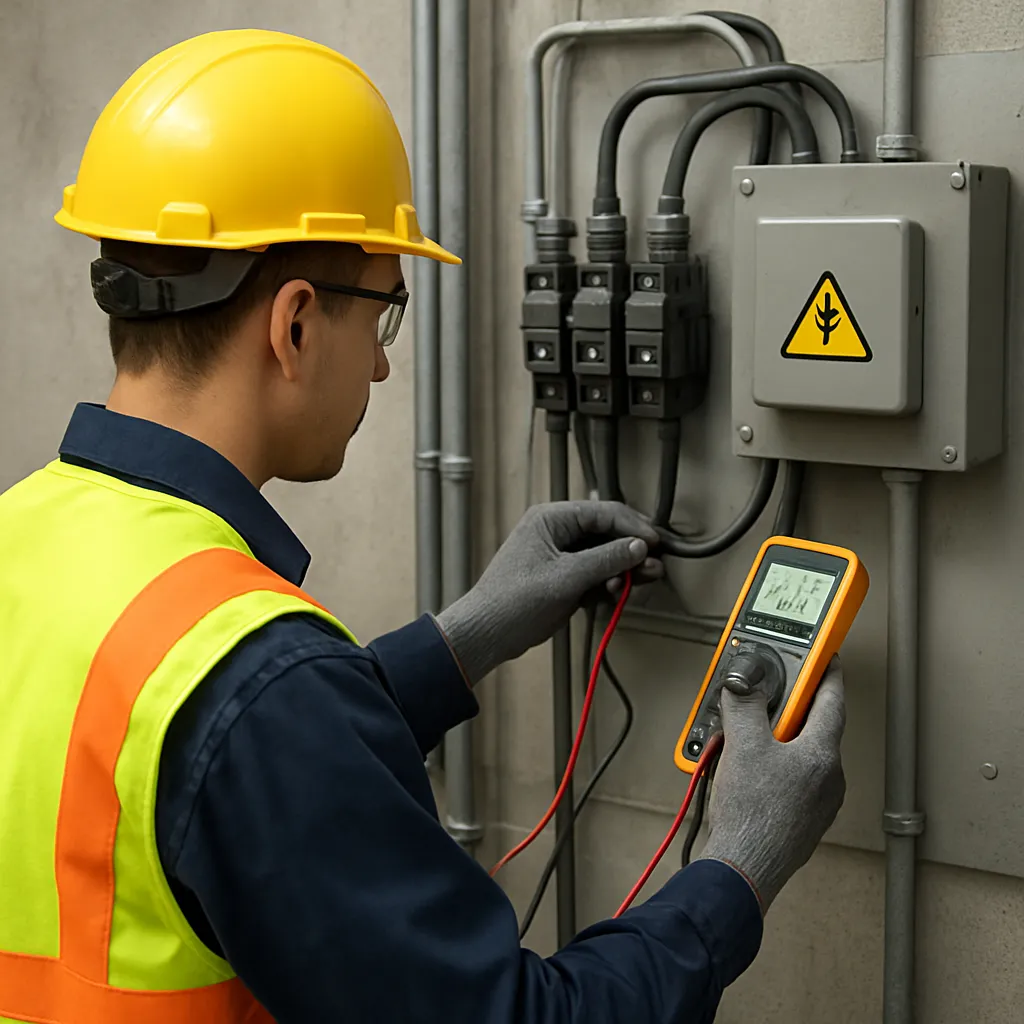
- Electrical faults such as overloaded circuits and damaged wiring
- Accumulations of flammable materials near heat sources
- Poorly maintained heating equipment
- Improper storage of chemicals and solvents
- Smoking in unauthorized areas
Conducting a thorough inspection of the facility allows managers to pinpoint areas requiring immediate attention. In addition to visible hazards, consider hidden risks in storage rooms, utility closets, and attic spaces.
Evaluating Fire Load and Vulnerability
The concept of fire load refers to the amount of combustible material present in a location. Higher fire loads create more intense blazes and faster spread. To assess vulnerability:
- Calculate volume and type of combustible items in each zone
- Map escape routes and identify potential congestion points
- Consider occupant density during peak operations
- Review historical incident data and near-misses
By understanding both hazards and fire load, organizations can prioritize high-risk areas for immediate mitigation.
Implementing Preventive Measures
Installation and Maintenance of Detection Systems
Early warning is crucial for minimizing damage. Invest in a network of smoke and heat detectors connected to a central alarm panel. Key actions include:
- Scheduling routine inspections by certified technicians
- Testing alarms on a monthly basis under real conditions
- Replacing faulty detectors immediately
- Ensuring backup power supplies remain operational
Integration with a building management system enhances monitoring and allows for automatic alerts to local fire departments.
Fire Suppression and Containment
A layered approach to suppression increases resilience. Consider:
- Installing sprinkler systems in high-risk zones
- Inspecting and refilling portable extinguishers per NFPA standards
- Deploying fire-resistant partitioning between compartments
- Using non-combustible insulation and paneling materials
Engineered suppression, such as inert gas or foam systems, can protect sensitive equipment rooms without water damage concerns.
Safe Storage and Housekeeping Practices
Good housekeeping is a simple yet powerful control. Best practices include:
- Maintaining clear aisles and exit routes
- Storing combustibles in designated, ventilated areas
- Implementing a “clean desk” policy to reduce paper accumulations
- Labeling and securing chemical containers in fire cabinets
Periodic audits ensure compliance with corporate and regulatory standards.
Emergency Preparedness and Response
Developing an Evacuation Plan
An effective evacuation strategy saves lives. Steps to create a robust plan:
- Map primary and secondary exit routes with clear signage
- Assign floor wardens to guide occupants during evacuation
- Install emergency lighting and illuminated exit signs
- Conduct risk-based timing analysis for safe egress
Review and update the plan annually or after any structural modification.
Implementing Communication Protocols
Rapid communication is vital in crisis scenarios. A multi-tiered system may include:
- Public address announcements
- Mass notification via SMS and email
- Two-way radios for critical staff
- Integration with local fire department dispatch
Ensure backup communication channels in case primary systems fail.
Coordinating with Emergency Services
Building relationships with local fire authorities improves response times. Actions to consider:
- Sharing facility floorplans and hazard inventories
- Inviting fire crews for familiarization tours
- Participating in community emergency drills
- Designating a liaison to streamline incident reporting
Regular collaboration fosters trust and enhances overall preparedness.
Employee Training and Safety Culture
Conducting Regular Fire Drills
Practical exercises build muscle memory. Drill guidelines include:
- Scheduling both announced and surprise drills
- Timing evacuations to identify bottlenecks
- Debriefing participants to gather feedback
- Documenting performance metrics and corrective actions
Frequent drills reinforce the importance of swift, disciplined responses.
Providing Hands-On Extinguisher Training
The effectiveness of a fire extinguisher depends on operator skill. Training elements:
- Identifying the correct extinguisher type for each fire class
- Demonstrating the PASS technique (Pull, Aim, Squeeze, Sweep)
- Allowing participants to practice on controlled fires
- Assessing competence annually
Empower employees to act confidently while emphasizing personal safety boundaries.
Fostering a Culture of Vigilance
Developing a proactive mindset is a long-term endeavor. Strategies include:
- Recognizing and rewarding employees who report hazards
- Incorporating safety discussions into routine meetings
- Displaying visual reminders such as posters and infographics
- Providing access to an anonymous reporting hotline
Engagement at all levels promotes ownership of fire risk reduction efforts and drives continuous improvement.