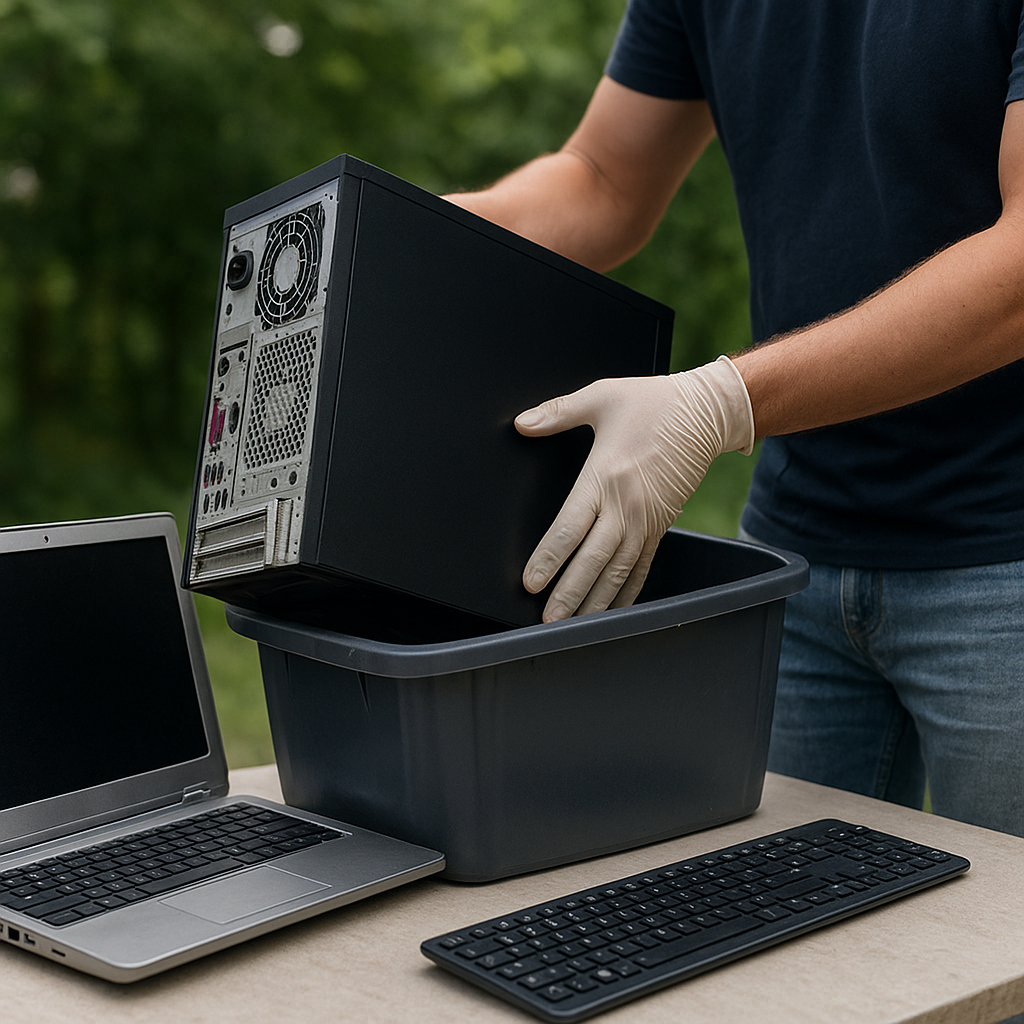
Properly disposing of outdated IT assets is a critical component of any robust business security strategy. Neglecting secure disposal can expose organizations to data breaches, regulatory fines, and reputational damage. This article explores comprehensive methods and policies designed to ensure the safe and compliant retirement of old computers, servers, mobile devices, and storage media.
Identifying Risks and Regulatory Requirements
Evaluating Data Sensitivity
Before disposing of any equipment, companies must conduct an inventory that classifies assets by the level of embedded information. Storing customer records, financial spreadsheets, or intellectual property on a hard drive elevates its risk profile. To mitigate potential exposure, identify assets containing data ranging from minimal internal logs to highly privileged client details.
Understanding Compliance Obligations
Industry regulations such as GDPR, HIPAA, and PCI-DSS dictate stringent guidelines for data destruction. If your organization processes payment card transactions, you’ll need to satisfy PCI-DSS mandates on secure erasure. Healthcare providers must adhere to HIPAA rules on patient privacy. Even small businesses may face state-level privacy statutes requiring documented evidence of secure disposal. Aligning with these compliance requirements reduces legal liability and demonstrates due diligence.
Best Practices for Data Sanitization
Software-Based Erasure Techniques
Logical data wiping uses specialized utilities that overwrite storage sectors multiple times, preventing file recovery. Common standards, including the U.S. Department of Defense’s DoD 5220.22-M, specify three-pass or seven-pass overwriting patterns. Modern enterprise-grade tools support on-site network drives, desktops, and mobile devices, ensuring that residual magnetic signatures are eliminated. Prioritize solutions offering cryptographically secure erase functions, particularly for Solid State Drives, as these devices can retain remnant data after conventional erasures fail.
Physical Destruction Methods
When software wiping is insufficient or policy demands absolute elimination, physical destruction becomes necessary. Effective approaches include:
- Shredding – Industrial shredders reduce drives and circuit boards into tiny fragments, rendering reconstruction impossible.
- Crushing – Hydraulic or drop-style crushers dent and break storage media, ensuring platters cannot spin or be read.
- Melting – High-temperature furnaces can liquefy components containing sensitive electronic traces.
Using these techniques alongside documented certificates of destruction helps maintain an auditable chain and underscores your commitment to security.
Selecting a Trusted Disposal Partner
Vendor Assessment Criteria
Entrusting a third party with disposed equipment demands rigorous vendor vetting. Key evaluation factors include:
- Industry certifications such as R2 or e-Stewards, which validate sustainable and secure recycling practices.
- Transparent protocols for transport, storage, and handling of sensitive devices.
- Detailed insurance coverage protecting against data breach events or asset loss.
- Positive references from organizations with similar risk profiles and compliance standards.
Ask potential partners to provide sample reports documenting chain-of-custody and destruction timelines.
Maintaining Chain of Custody
Chain of custody logs track assets from your facility to final disposition. Each transfer point should record the following details:
- Asset serial numbers or RFID tags.
- Date, time, and person responsible for each handoff.
- Evidence of secure storage while awaiting destruction.
- Final disposition report, including photographs or tamper-evident seals.
Documenting every step prevents unauthorized access and ensures accountability throughout the asset’s lifecycle.
Implementing an End-to-End Disposal Policy
Defining Internal Procedures
A formalized policy should outline detailed instructions on how departments request equipment retirement, how IT validates the devices, and which methods apply at each risk level. Components include:
- Standard operating procedures (SOPs) for data backup verification and asset decommissioning.
- Roles and responsibilities, ensuring that no single individual can both authorize and execute a disposal.
- Escalation paths for unplanned media discovery, such as USB drives or confidential documents uncovered during routine office cleanouts.
Embed authentication controls, requiring managerial sign-off before any drive enters the destruction workflow.
Training and Awareness Programs
Employees must understand the dangers of improper disposal. Training modules should cover:
- Recognizing equipment that requires secure handling.
- Procedures for scheduling on-site wipe events or delivery to approved vendors.
- Identifying and reporting policy violations or suspicious requests for asset pickup.
Regular drills and internal audits reinforce accountability and cultivate a culture that prioritizes confidentiality and loss prevention.
Advanced Measures for Heightened Protection
Hardware Encryption and Self-Destruct Features
Some modern drives incorporate built-in encryption engines and rapid cryptographic erasure, effectively destroying the decryption key within seconds. Utilizing these features can significantly reduce the time and complexity of secure disposal, especially for high-volume environments. When selecting new equipment, factor in devices that support instant crypto-erase to streamline end-of-life procedures.
Environmental and Data Disposal Synergy
Leading organizations integrate environmental sustainability with data security. Partner with recycling vendors that adhere to standards for safe e-waste reclamation, ensuring hazardous materials like lead, mercury, and cadmium are processed responsibly. This dual-focus approach satisfies both your corporate social responsibility goals and your strict data privacy mandates.
Continuous Improvement and Performance Metrics
Monitoring Key Performance Indicators
Measure the effectiveness of your disposal program via metrics such as:
- Number of devices securely erased versus total decommissioned assets.
- Average turnaround time from request to certificate of destruction.
- Compliance audit findings and corrective actions implemented.
Use these insights to refine procedures, negotiate improved service-level agreements, and bolster your organization’s overall risk posture.
Regular Policy Reviews
Business growth and evolving regulations require periodic reassessment of disposal guidelines. Schedule annual policy reviews involving stakeholders from IT, legal, compliance, and sustainability teams. Incorporate lessons learned from incident reports, technology advancements like advanced encryption standards, and shifts in regulatory landscapes.
Conclusion
Implementing a thorough, multi-layered approach to retire old IT equipment not only safeguards sensitive information but also upholds legal obligations and strengthens brand reputation. By combining software-based sanitization, physical destruction, trusted partnerships, and structured internal policies, businesses can confidently navigate the complexities of secure asset disposal.


