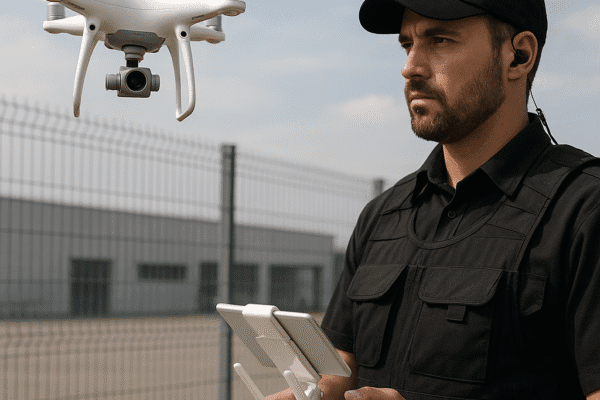
How to Use Drones for Security and Surveillance Safely

Integrating unmanned aerial vehicles into a corporate security framework can revolutionize perimeter monitoring and asset protection. By embracing advanced drones equipped with high-resolution cameras and sensors, organizations can enhance situational awareness and respond swiftly to potential threats. This article explores essential strategies for employing aerial systems safely, with emphasis on regulatory adherence, operational protocols, and data security within a business context. Regulatory and Legal Considerations Before deploying any aerial platform,…

Read More

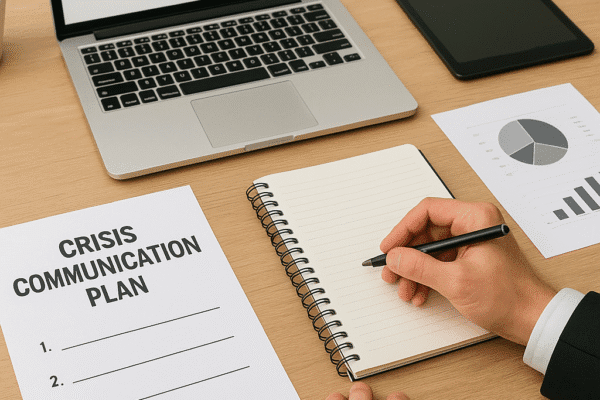
How to Develop a Crisis Communication Plan

Effective crisis communication is the backbone of any resilient organization. When unexpected events threaten the integrity or reputation of a business, a well-structured plan ensures that key **stakeholders** receive timely, accurate information. This article outlines a comprehensive guide to building a robust crisis communication framework within the realm of **business security**. Understanding the Foundations of Crisis Communication Before drafting any plan, it is essential to grasp the core principles that…

Read More

How to Prepare for Natural Disasters at Work

Preparing a workplace for natural disasters demands a strategic blend of foresight, coordination, and practical measures. Organizations that prioritize risk assessment, reliable communication, and thorough training can significantly reduce downtime and financial losses. A comprehensive approach ensures both continuity of operations and safety of employees. Risk Assessment and Planning Identifying Potential Hazards Every region faces unique threats—hurricanes, earthquakes, floods, wildfires, or tornadoes. Begin by mapping out all possible scenarios. Engage…

Read More

The Role of Human Resources in Company Security

The intricate link between Human Resources and company security extends beyond routine hiring and payroll management. As organizations confront evolving threats—ranging from internal fraud to external cyberattacks—HR emerges as a pivotal partner in building a robust security framework. Integrating HR practices with security objectives ensures that workforce strategies align with the organization’s mission to protect assets, data, and reputation. Security Culture and HR Building a resilient security culture requires concerted…

Read More

How to Monitor and Control Physical Access Points

Effective management of physical entrances requires a comprehensive strategy that balances technology, process and human factors. This article explores methods to identify, secure and oversee critical access points in a business environment. By combining advanced controls with ongoing monitoring, organizations can significantly reduce vulnerabilities and maintain a higher level of overall security. 1. Mapping and Classifying Entry Points Before implementing any controls, it is essential to conduct a thorough site…

Read More

How to Conduct Security Drills Effectively

Conducting security drills effectively requires meticulous preparation, clear objectives, and continuous refinement. A well-designed drill not only uncovers hidden vulnerabilities but also enhances organizational resilience. This article outlines the essential steps for planning, executing, and evaluating security exercises that bolster business continuity and safeguard valuable assets. Preparing for a Security Drill Thorough planning is the foundation of any successful drill. Organizations must define the scope, allocate resources, and engage key…

Read More

The Growing Threat of Insider Cybercrime

The Growing Threat of Insider Cybercrime explores how organizations must adapt to a shifting landscape where trusted individuals exploit their access to undermine corporate defenses. As digital transformation accelerates, businesses face increasing pressure to secure sensitive data, protect intellectual property, and maintain customer trust. Addressing the **insider** threat requires a blend of technology, policies, and human-centered strategies that together forge a resilient defense posture. Understanding the Insider Risk Insider cybercrime…

Read More

The Importance of Secure Communication Channels

Effective communication forms the backbone of modern enterprises, underpinning every decision from strategic planning to daily operations. Organizations that prioritize confidentiality, integrity, and availability in their interactions unlock higher productivity and build trust with clients and partners. Implementing robust, secure communication channels mitigates risks, fosters regulatory compliance, and enhances overall corporate reputation. Secure Communication Protocols and Their Impact Selecting the right protocols is a critical step toward establishing a fortified…

Read More

How to Handle a Data Breach: Step-by-Step Guide

Handling a data breach effectively requires a structured, strategic approach that minimizes damage, preserves trust, and ensures future resilience. This guide outlines clear, actionable steps to help organizations navigate each phase of a security incident and emerge stronger. Assessment and Immediate Actions Identify and Contain The first priority is rapid containment of unauthorized access. Assemble your incident response team and follow these critical tasks: Isolate affected systems to prevent further…

Read More

The Connection Between Cybersecurity and Business Continuity

The Connection Between Cybersecurity and Business Continuity explores how robust protection measures directly influence an organization’s ability to operate without interruption. By analyzing risks, implementing strategic defenses, and fostering a culture of preparedness, companies safeguard critical assets and maintain operations during disruptive incidents. This article delves into the essential components of aligning security strategies with continuity objectives, offering insights into enhancing overall resilience. Understanding the Threat Landscape Organizations face an…

Read More