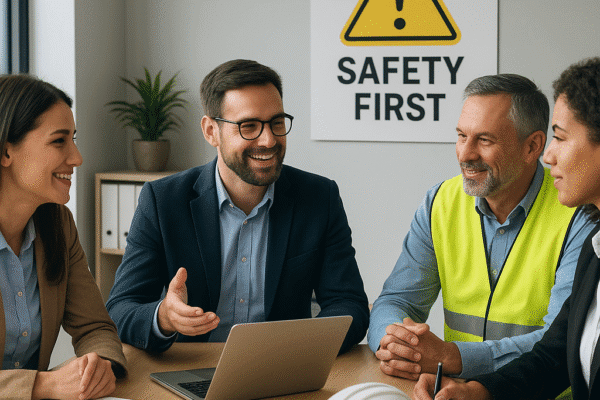
How to Create a Culture of Safety Reporting

Creating an environment where every employee feels empowered to speak up about hazards, near misses, or unsafe conditions is essential for robust business security. Cultivating a **culture** dedicated to **safety** **reporting** not only reduces risk but also fosters innovation in risk management and demonstrates an organization’s commitment to protecting its people and assets. Understanding the Value of Safety Reporting Effective **reporting** systems enable teams to identify hidden threats before they…

Read More

How to Manage Third-Party Vendor Security Risks

Effective management of third-party vendor security risks requires a structured approach that spans from initial assessment through ongoing oversight. Organizations must establish robust processes to identify, evaluate, and control the potential threats that arise when partnering with external suppliers of services, software, or infrastructure. By embedding governance and transparency into every phase of the vendor lifecycle, companies can safeguard sensitive data, maintain regulatory compliance, and strengthen overall operational resilience. Understanding…

Read More

How to Prevent Tailgating in Secure Areas

Organizations today face a persistent challenge when unauthorized individuals gain entry to sensitive areas by following closely behind an authorized person—a method known as tailgating. Failing to address this risk can lead to data breaches, theft of intellectual property, and threats to employee safety. Robust measures combining physical design, cutting-edge technology, and a culture of security are essential to block unauthorized access. This article explores practical strategies for preventing tailgating…

Read More

How to Create a Safety Committee in Your Company

Establishing a robust safety framework within a company begins with the creation of a dedicated committee focused on protecting employees, assets, and reputation. This article explores practical steps to assemble a Safety Committee that drives continuous improvement in workplace security and builds a resilient risk management culture. Establishing the Foundation for Your Safety Committee Before assembling team members, it is essential to define the purpose and scope of the Safety…

Read More

The Importance of Background Checks in Hiring

The process of vetting potential employees through systematic background checks is a cornerstone of modern business security. By examining an individual’s history, organizations can identify potential threats, safeguard their reputation, and uphold a culture of trust. This article delves into the multifaceted aspects of background checks, exploring the risks they help mitigate, the legal frameworks that govern them, best practices for implementation, and the evolving role of technology in streamlining…

Read More

How to Monitor and Control Physical Access Points

Effective management of physical entrances requires a comprehensive strategy that balances technology, process and human factors. This article explores methods to identify, secure and oversee critical access points in a business environment. By combining advanced controls with ongoing monitoring, organizations can significantly reduce vulnerabilities and maintain a higher level of overall security. 1. Mapping and Classifying Entry Points Before implementing any controls, it is essential to conduct a thorough site…

Read More

How to Conduct Security Drills Effectively

Conducting security drills effectively requires meticulous preparation, clear objectives, and continuous refinement. A well-designed drill not only uncovers hidden vulnerabilities but also enhances organizational resilience. This article outlines the essential steps for planning, executing, and evaluating security exercises that bolster business continuity and safeguard valuable assets. Preparing for a Security Drill Thorough planning is the foundation of any successful drill. Organizations must define the scope, allocate resources, and engage key…

Read More

How to Build a Security-First Company Culture

Building a robust, security-first culture requires far more than purchasing the latest tools. It demands a holistic approach that weaves protection into every business process, decision, and relationship. Organizations that succeed invest in leadership, clear policies, engaging training programs, and continuous monitoring. This article explores actionable strategies to foster a workplace where every employee embraces security as a core value. Leadership Commitment and Organizational Alignment A sustainable security culture begins…

Read More

How to Create an Effective Emergency Response Plan

Implementing an Emergency Response Plan is critical for any organization aiming to safeguard its people, assets, and reputation. A well-crafted plan not only outlines roles and procedures but also builds resilience against unforeseen events. This guide walks you through essential steps to develop a robust framework capable of handling emergencies efficiently and maintaining continuity. Establishing a Solid Foundation Conducting a Thorough Risk Assessment An accurate risk assessment identifies potential threats…

Read More
The role of international cooperation in combating cybercrime.

The role of international cooperation in combating cybercrime.

The role of international cooperation in combating cybercrime is increasingly critical in our interconnected world. As technology advances and the internet becomes more integral to daily life, the threats posed by cybercriminals have evolved, necessitating a collaborative approach among nations. This article explores the significance of international cooperation in addressing cybercrime, the challenges faced, and the strategies that can be employed to enhance global efforts in this domain. Understanding Cybercrime…

Read More