The Role of Ethical Hacking in Business Security

The business environment is evolving at a breakneck pace, with organizations relying on digital systems to process data, manage operations, and engage customers. As technology adoption deepens, so do the risks associated with malicious actors seeking to exploit weaknesses. Ethical hacking has emerged as a cornerstone of robust defense strategies, empowering companies to identify and remediate gaps before they become critical failures. This article explores the multifaceted role of ethical…

Read More

The Future of Workplace Security Technology

The rapid evolution of workplace environments demands proactive approaches to safeguarding assets, personnel, and data. Modern organizations face a dynamic array of risks, from unauthorized physical access to sophisticated cyber intrusions. To stay ahead, businesses are adopting cutting-edge security solutions that blend digital and physical measures. This article explores the transformation of workplace security through emerging threats, breakthrough technologies, integration hurdles, and forward-looking strategies that will shape the next decade….

Read More

The Importance of Endpoint Protection

The proliferation of interconnected devices has transformed the corporate landscape, making every workstation, mobile device, and IoT sensor a potential entry point for malicious actors. As businesses embrace digital transformation, the need for endpoint security becomes paramount. Organizations must go beyond basic antivirus solutions to protect against advanced persistent threats, zero-day exploits, and sophisticated social engineering campaigns. A proactive approach to securing endpoints not only safeguards sensitive data but also…

Read More

The Importance of Secure Communication Channels

Effective communication forms the backbone of modern enterprises, underpinning every decision from strategic planning to daily operations. Organizations that prioritize confidentiality, integrity, and availability in their interactions unlock higher productivity and build trust with clients and partners. Implementing robust, secure communication channels mitigates risks, fosters regulatory compliance, and enhances overall corporate reputation. Secure Communication Protocols and Their Impact Selecting the right protocols is a critical step toward establishing a fortified…

Read More

Why Employee Awareness Is the First Line of Defense

Employee awareness forms a critical layer in any robust security strategy. By empowering staff with the right knowledge and skills, organizations can transform every team member into a vigilant defender. When people recognize potential risks, understand their role in mitigation, and feel empowered to act, the entire enterprise stands stronger against cyberattacks, social engineering, and insider threats. Understanding the Modern Threat Landscape Business ecosystems face an ever-expanding array of challenges,…

Read More

Top 10 Security Mistakes Companies Make

As businesses expand their digital footprint, security shortcomings can expose critical assets to exploitation. This article explores the Top 10 security mistakes companies make, grouped into three main areas: Technical Oversights, Human-Related Vulnerabilities, and Strategic and Management Failures. Understanding these pitfalls is crucial for building a robust defense and protecting sensitive data against increasingly sophisticated threats. Technical Oversights 1. Failure to Update and Patch Systems Outdated software remains one of…

Read More

Why Employee Training Is the Key to Cybersecurity

Cyber threats continue to evolve at an unprecedented pace, making employee training a crucial element in any organization’s defense strategy. While advanced firewalls and intrusion detection tools are essential, they can only do so much without a well-prepared workforce. By investing in comprehensive training programs, businesses can transform every team member into an active participant in safeguarding corporate assets and sensitive data. The Human Element in Cybersecurity Most security breaches…

Read More
The role of social engineering in cyberattacks.

The role of social engineering in cyberattacks.

The role of social engineering in cyberattacks is a critical aspect that often goes unnoticed in discussions about cybersecurity. While technical vulnerabilities and malware are frequently highlighted, the human element remains one of the weakest links in the security chain. Social engineering exploits human psychology to manipulate individuals into divulging confidential information or performing actions that compromise security. This article delves into the various techniques employed in social engineering, the…

Read More
How to secure your email accounts from hacking attempts.

How to secure your email accounts from hacking attempts.

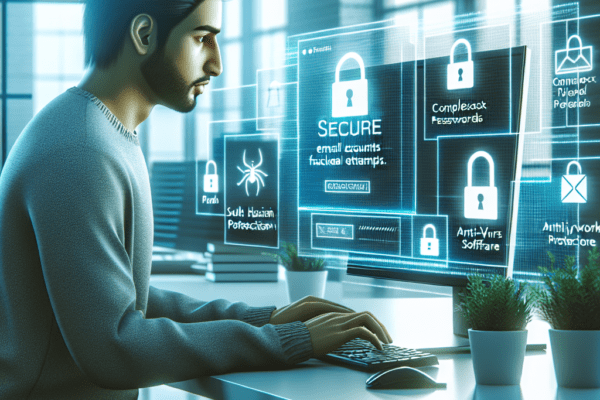
Securing your email accounts from hacking attempts is crucial in today’s digital landscape, where cyber threats are increasingly sophisticated. Email accounts often serve as gateways to personal information, financial data, and other sensitive materials. Therefore, understanding the best practices for protecting these accounts is essential for everyone, from casual users to business professionals. This article will explore various strategies to enhance email security, including password management, two-factor authentication, and recognizing…

Read More