
How to Secure Multi-Cloud Environments

Effective management of complex cloud deployments requires a well-defined security framework tailored for dynamic workloads and dispersed resources. This article explores proven strategies for protecting data, applications, and networks across heterogeneous public and private environments while maintaining agility and cost-effectiveness. Identifying and Mitigating Risks in Multi-Cloud Environments Attack Surface and Threat Modeling Every cloud platform introduces unique entry points, and combining services from multiple vendors amplifies the potential exposure. Organizations…

Read More

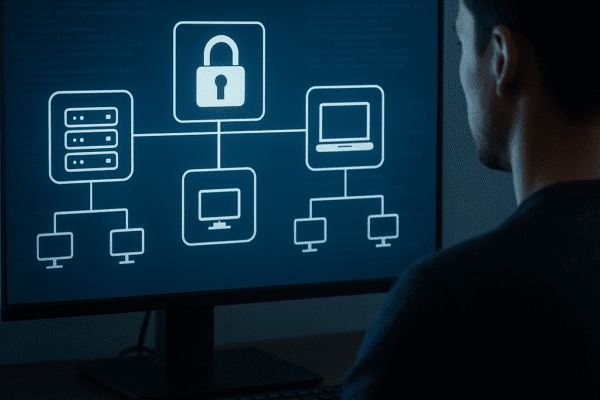
The Importance of Network Segmentation in Cybersecurity

Effective network segmentation stands as a critical pillar in modern business security strategies, delivering granular controls that can greatly reduce the impact of cyber threats. By dividing a corporate network into distinct zones and enforcing strict access policies, organizations can limit the lateral movement of malicious actors, improve compliance posture, and safeguard mission-critical assets. Fundamentals of Network Segmentation At its core, network segmentation involves partitioning a network into logical or…

Read More

How to Secure Remote Work Environments

Securing remote work environments requires a holistic approach that addresses network vulnerabilities, device protections, and human factors. Organizations must adopt robust strategies to defend against evolving cyber threats while ensuring seamless productivity. This article explores critical measures for safeguarding distributed teams and sensitive business assets. Network Access Hardening Establishing a fortified network perimeter is fundamental for any remote workforce. Attackers frequently target unsecured connections to infiltrate corporate systems. By implementing…

Read More