How to Protect Sensitive Data on Portable Devices

Securing sensitive corporate information on portable devices demands a strategic approach that balances usability and protection. This article delves into effective measures to shield data against theft, unauthorized access, and accidental exposure. Drawing on best practices in mobile device management and network security, businesses can build a robust defense for laptops, tablets, and smartphones. Understanding the Risks to Portable Data Portable devices introduce unique threats that differ from stationary workstations….
Read More

How to Protect Mobile Devices Used for Work

Protecting mobile devices in a business environment requires a comprehensive approach that addresses configuration, data security, and continuous oversight. Mobile endpoints often carry sensitive corporate data, making them prime targets for cyberattacks, unauthorized access, and data leakage. Implementing robust measures can significantly reduce risks related to device loss, unpatched software, or malicious applications. The following sections outline essential strategies for establishing a secure mobile ecosystem. Secure Device Setup Device Configuration…

Read More

How to Protect Financial Data from Cyber Threats

Maintaining the integrity and confidentiality of sensitive financial information is a critical priority for modern enterprises. Organizations must adopt a holistic approach to safeguard transaction records, customer data, and proprietary analytics from evolving digital threats. This article outlines effective strategies designed to protect financial data by combining proactive assessments, advanced technological solutions, and rigorous operational practices. Assessing Risks and Vulnerabilities Before deploying defenses, businesses need a clear understanding of their…

Read More

How to Prepare for Natural Disasters at Work

Preparing a workplace for natural disasters demands a strategic blend of foresight, coordination, and practical measures. Organizations that prioritize risk assessment, reliable communication, and thorough training can significantly reduce downtime and financial losses. A comprehensive approach ensures both continuity of operations and safety of employees. Risk Assessment and Planning Identifying Potential Hazards Every region faces unique threats—hurricanes, earthquakes, floods, wildfires, or tornadoes. Begin by mapping out all possible scenarios. Engage…

Read More

The Benefits of Biometric Authentication in the Workplace

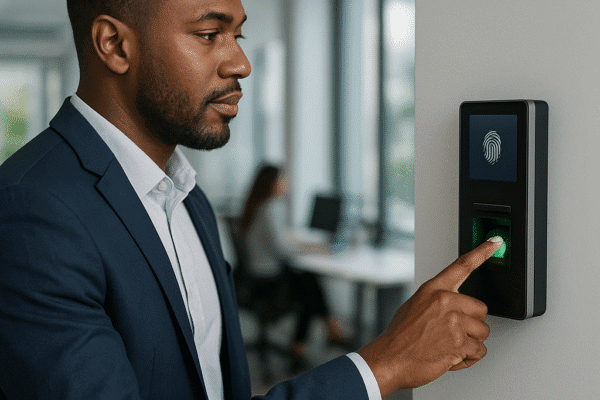
Biometric authentication is revolutionizing the way organizations verify identity and secure sensitive areas. By leveraging unique physiological and behavioral traits, businesses can bolster defenses, simplify access controls, and maintain rigorous compliance standards. This article explores the multifaceted advantages of biometric systems in the workplace, outlines best practices for implementation, and highlights the strategic value they deliver to modern enterprises. Enhanced Security Through Unique Identifiers Traditional methods such as keycards and…

Read More

How to Securely Handle Customer Information

Handling sensitive customer information demands a comprehensive approach that blends technology, policy, and human factors. Companies must establish robust measures to ensure data remains protected at every stage of its lifecycle, from collection and storage to processing and disposal. This article explores critical strategies and best practices for maintaining the highest standards of security in business environments. Data Collection and Storage Practices Establishing secure frameworks for gathering and storing information…

Read More

How to Manage Third-Party Vendor Security Risks

Effective management of third-party vendor security risks requires a structured approach that spans from initial assessment through ongoing oversight. Organizations must establish robust processes to identify, evaluate, and control the potential threats that arise when partnering with external suppliers of services, software, or infrastructure. By embedding governance and transparency into every phase of the vendor lifecycle, companies can safeguard sensitive data, maintain regulatory compliance, and strengthen overall operational resilience. Understanding…

Read More

How to Identify and Report Suspicious Activity at Work

Workplaces can face various challenges when it comes to maintaining a secure environment. Recognizing and responding to unexpected or unusual behaviors is crucial for preserving both physical and data protection. This article explores practical methods to spot and report potential threats, ensuring that every team member contributes to a culture of vigilance and security. Recognizing Unusual Behaviors and Potential Threats Signs of Suspicious Activities Repeated attempts to access restricted areas…

Read More

How to Protect Personal Employee Data Under GDPR

Protecting personal employee data under the GDPR demands a proactive and structured approach, combining legal understanding with robust technical and organizational safeguards. By embedding compliance into everyday operations, businesses can ensure that sensitive information remains secure, while fostering trust and minimizing the risk of costly violations. Understanding GDPR Requirements for Employee Data Legal Foundations At the core of GDPR lies a set of principles designed to safeguard personal data and…

Read More

How to Balance Convenience and Security in the Workplace

Striking the right balance between convenience and security in the workplace demands a strategic approach. Employees require seamless access to tools and data, while organizations must safeguard sensitive information and maintain compliance with regulations. This article explores key strategies to harmonize efficiency and protection, leveraging best practices from technology deployment to cultural transformation. Assessing the Trade-Offs: Convenience vs Security Every organization faces inherent tensions between user-friendly systems and stringent protective…

Read More