
How to Ensure Workplace Safety for Night Shifts

Working through the night presents unique challenges that demand careful planning and effective measures. Ensuring a safe environment for night shift employees not only protects their physical health but also promotes operational continuity and employee morale. By adopting comprehensive strategies, organizations can address potential hazards, enhance security protocols and maintain a supportive atmosphere. Safety Risk Assessment for Night Shifts A systematic risk assessment lays the foundation for all subsequent safety…

Read More

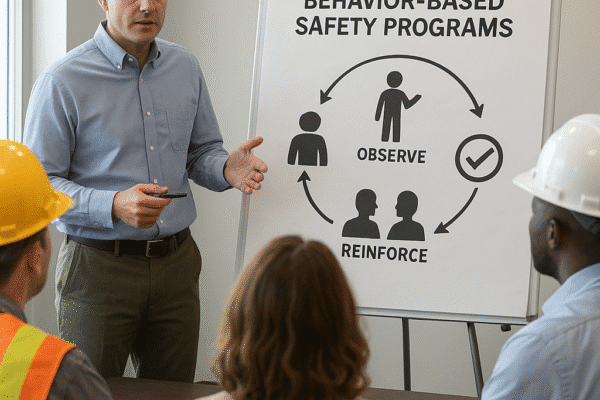
How to Implement Behavior-Based Safety Programs

Implementing a robust behavior-based safety program can transform an organization’s approach to risk management, employee well-being, and operational resilience. By focusing on observable actions and underlying motivations, companies can foster a proactive environment where every team member contributes to maintaining a secure workplace. This article explores foundational concepts, strategic design, practical rollout, and continuous enhancement of an effective behavior-based safety initiative. Foundations of Behavior-Based Safety Behavior-based safety (BBS) shifts the…

Read More

The Importance of Employee Mental Health in Workplace Safety

The relationship between mental health and workplace safety is often underestimated beyond physical hazards. Organizations that prioritize psychological well-being can minimize incidents, boost productivity, and maintain compliance with security protocols. This article explores the intersection of employee mental health and business security strategies, illustrating how holistic care leads to sustainable operations and a robust safety culture. Understanding the Connection between Mental Health and Operational Hazards A growing body of research…

Read More