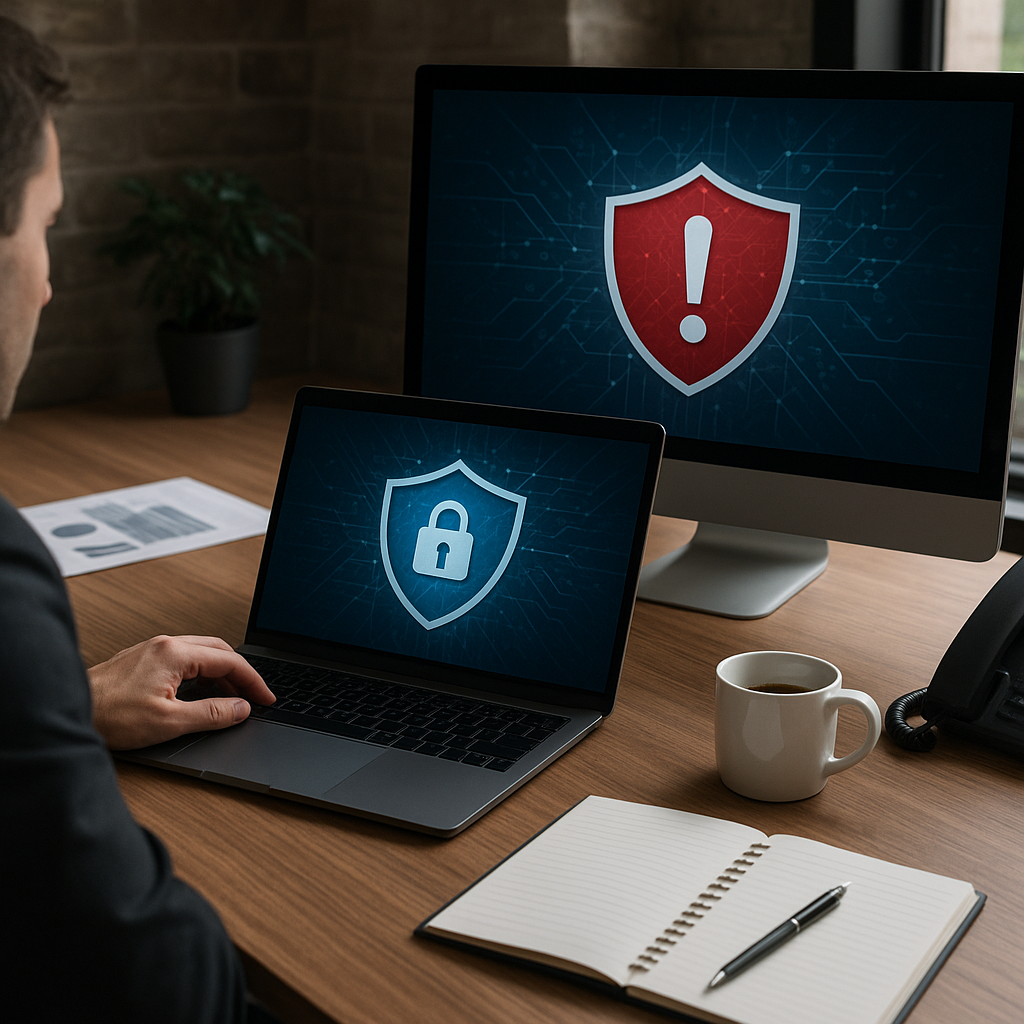
Organizing a company event involves more than selecting a venue and sending invitations. Ensuring the safety of attendees, staff, and assets is an essential aspect of any successful gathering. From comprehensive risk assessments to real-time monitoring, event planners must adopt a multi-layered approach that addresses every potential vulnerability. This article explores key strategies across planning, infrastructure, personnel, and technology to guarantee a secure, well-managed event experience.
Risk Assessment and Planning
Before any event logistics take shape, a detailed evaluation of potential threats and hazards should be conducted. Effective preparedness starts with understanding the environment, the guest profile, and the nature of activities planned. By identifying risks early, organizers can allocate resources strategically and implement controls that minimize exposure.
Threat Identification
- Physical risks: crowd congestion, slip-and-fall incidents, unauthorized access
- Environmental factors: severe weather, fire hazards, power outages
- Security concerns: theft, vandalism, cyber intrusions in digital systems
Mitigation Planning
- Develop scenario-based plans: assign roles for medical, fire, and law enforcement response
- Establish a chain of command: ensure clear communication among organizers, security teams, and emergency services
- Coordinate with local authorities: streamline permit approvals and response coordination
Documentation of the risk assessment and mitigation measures should be maintained and updated as planning progresses. Regular reviews allow teams to adapt to new information or changes in event scope.
Venue Security and Infrastructure
A secure venue forms the backbone of any safe event. Thorough inspections and controlled access measures help deter unauthorized entry and quickly identify potential weaknesses in the site layout or infrastructure.
Perimeter and Access Control
- Install fencing or barriers: define event boundaries and prevent unmonitored entry
- Badge or ticket checkpoints: verify identity and entitlement before granting access
- Bag checks and metal detectors: screen for prohibited items without causing unnecessary delays
Venue Inspection
- Structural integrity: confirm lighting, stage rigging, seating, and electrical systems comply with safety standards
- Emergency exits: ensure clear signage, unobstructed pathways, and functionality of exit doors
- Fire safety equipment: verify availability and accessibility of extinguishers, alarms, and sprinkler systems
Properly trained onsite personnel should conduct a final walk-through before guest arrival. This inspection ensures that all systems are operational and that temporary installations meet regulatory requirements.
Staff Preparation and Emergency Protocols
Human resources play a crucial role in safeguarding participants. From customer-facing staff to off-duty security officers, every team member requires awareness of protocols and designated responsibilities.
Comprehensive Training
- Training workshops: cover basic first aid, crowd management, and de-escalation techniques
- Scenario drills: simulate medical emergencies, fire evacuations, and security incidents
- Role-specific briefings: clarify duties for ushers, technical crew, and event coordinators
Emergency Response Plans
- Medical emergencies: establish triage areas and coordinate with onsite medical teams or nearby hospitals
- Evacuation procedures: designate assembly points, assign evacuation leaders, and communicate exit routes clearly
- Security breaches: outline steps for isolation, detention of suspects, and involvement of local law enforcement
Regularly scheduled reviews and refresher sessions foster confidence and ensure swift, organized action when incidents occur. A culture of vigilance can significantly reduce response times and potential harm during an emergency.
Technology, Monitoring, and Coordination
Modern events leverage technology to maintain situational awareness and facilitate rapid coordination among teams. Integrating hardware and software solutions enhances overall security posture.
Real-Time Surveillance
- CCTV systems: cover all critical areas including entry points, halls, and backstage zones
- Drone monitoring: provide aerial views of large outdoor gatherings
- Access logs: digitize entries and exits to track attendee movement patterns
Communication Platforms
- Encrypted radios or walkie-talkies: ensure dependable voice contact among staff
- Mass notification systems: send SMS or app-based alerts to attendees in case of schedule changes or emergencies
- Incident management software: log events, assign tasks, and monitor resolution progress
Integration of these systems allows security managers to make data-driven decisions. Centralized dashboards display live feeds, alarm statuses, and resource locations, creating a comprehensive operational picture at all times.
By combining meticulous planning, robust infrastructure checks, skilled personnel, and advanced technology, organizations can deliver company events that not only engage and inspire but also uphold the highest safety standards. Proactive measures and continuous vigilance remain the cornerstones of a secure and memorable experience for everyone involved.